
We run experiments… So we can fix it. We measure and record and analyze in ways that might seem lifeless but to us are the conduits to understanding the inscrutable lives of species not our own. Doing science with awe and humility is a powerful act of reciprocity with the more-than-human world.
I’ve never met an ecologist who came to the field for the love of data or for the wonder of a p-value. These are just ways we have of crossing the species boundary, of slipping off our human skin and wearing fins or feathers or foliage, trying to know others as fully as we can. Science can be a way of forming intimacy and respect with other species that is rivaled only by the observations of traditional knowledge holders. It can be a path to kinship. These too are my people. Heart-driven scientists whose notebooks, smudged with salt marsh mud and filled with columns of numbers, are love letters to [nature].
–Kimmerer, R.W., Braiding Sweetgrass (Milkweed Editions, 2013), p252.
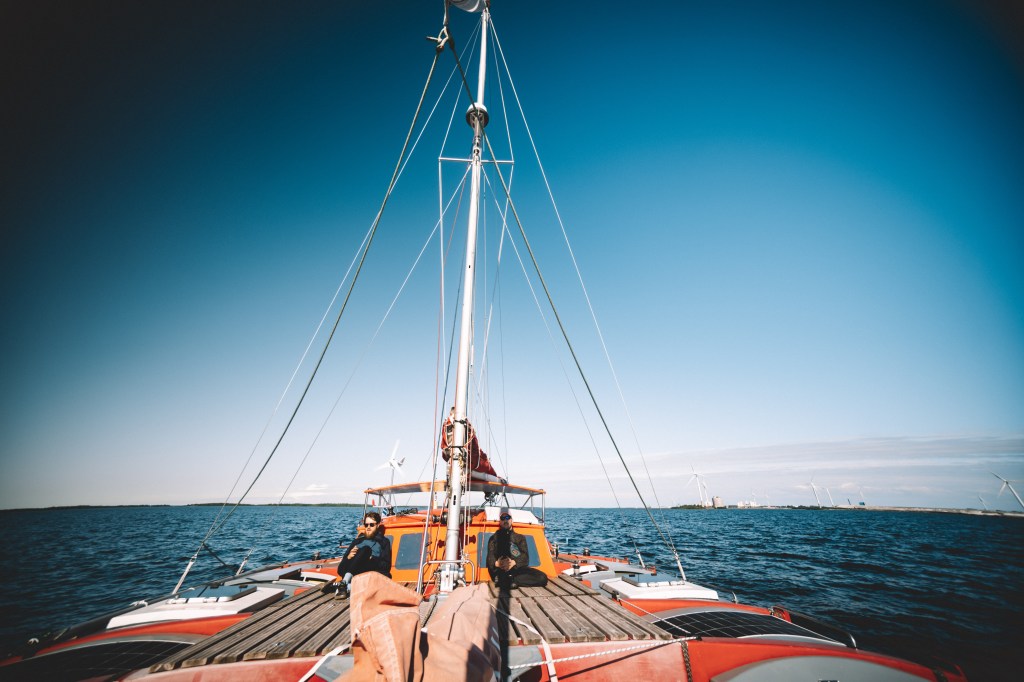
These words, from Braiding Sweetgrass by Dr. Robin Wall Kimmerer, kept echoing in my mind. This past summer, I had the privilege of joining the Imagining Godzilla project for a short artist-researcher residency. My home and laboratory was Godzilla, a 42-foot Polynesian-style sailing catamaran, and my mission was to explore the intersection of art, science, and the environment in one of the world’s most unique and threatened marine ecosystems.
Imagining Godzilla is the brainchild of skipper Andy Best and producer Merja Puustinen. It’s a mobile platform designed for artistic and scientific research, a vessel that combines the romance of traditional sailing with the rigor of modern inquiry. As part of the State of the Art Network, the project aims to foster creative practices and concrete actions for living in the Anthropocene. My short residency was a chance to put this philosophy into practice.
Life on Godzilla settled into a rhythm of sailing, sampling, and discussion. The boat is a masterclass in practical sustainability. With sleeping quarters for five in the hulls and ample deck space, it’s a self-contained world. The galley became a space for sharing ideas, the deck a platform for both sailing and artistic/scientific work, and the surrounding archipelagos our ever-changing scenery.
The vessel itself is a perfect metaphor for the project: stable, seaworthy, and capable. It’s a space where different disciplines can meet, whether underway or at anchor in a quiet harbor.
A sea under pressure.
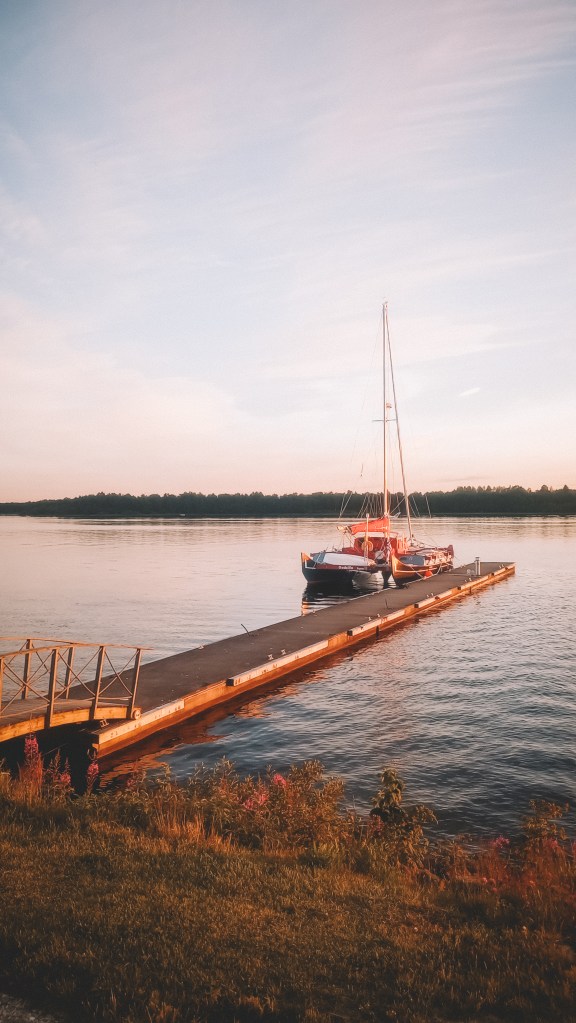
To understand the work onboard, you first have to understand the Baltic. It is the world’s largest brackish sea, a delicate and precarious body of water. Its connection to the ocean is a narrow, shallow channel, meaning its water is renewed only every 30 years or so. This slow turnover, combined with run-off from a catchment area four times its size (encompassing industrial and intensive agricultural areas) makes it one of the most threatened seas on Earth.
The pressures are immense. Commercial shipping, from massive tankers to a constant stream of ferries and cruise ships, leaves a heavy footprint. Agricultural run-off feeds massive blue algae blooms, visible from space, which create dead zones and choke marine life. It’s a sea in crisis, a microcosm of the global environmental challenges we face. It’s difficult to protect what is not fully understood, and understanding the Baltic’s hidden life became the heart of our mission.
The tools are simple. The stakes are not.
As the primary scientific partner, my goal was to test a simple, accessible method for monitoring the Baltic’s biodiversity. The toolkit was elegantly minimal: a 3D-printed sampler, specifically co-designed (with artists and engineers) to funnel water through a simple cotton pad. As we sailed, we would deploy this device to collect water samples.
The magic lies in what those samples contain: environmental DNA, or eDNA. Every organism, from a microscopic alga to a ringed seal, sheds DNA into its surroundings through skin, scales, waste, or reproductive material. By capturing and sequencing this eDNA, we can reveal an entire web of life, both visible and hidden, without ever needing to see or disturb the organisms themselves.
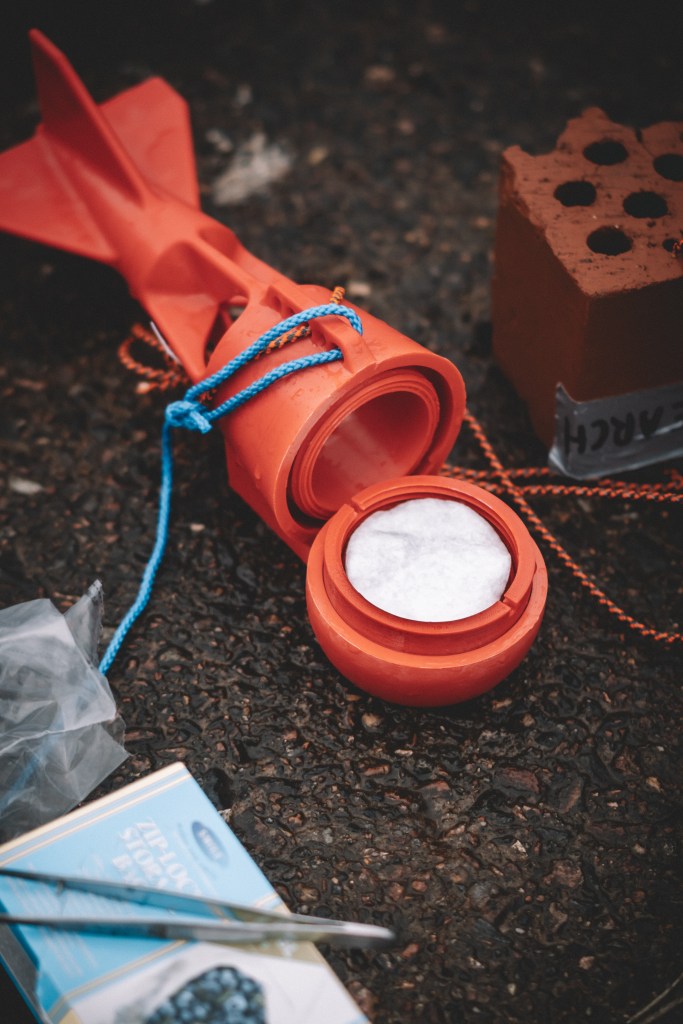
This method opens new possibilities for research in remote and harsh conditions. A simple collection of seawater can yield a non-invasive, remarkably comprehensive snapshot of an ecosystem’s health. For a rapidly changing environment like the Baltic, such accessible monitoring is invaluable for management and decision-making. With widespread biodiversity data in hand, communities can better understand critical Baltic species and how to protect them as the landscape shifts around them. And because the tools are simple enough for almost anyone to deploy, more people can participate in generating this important data. The stakes could not be higher.
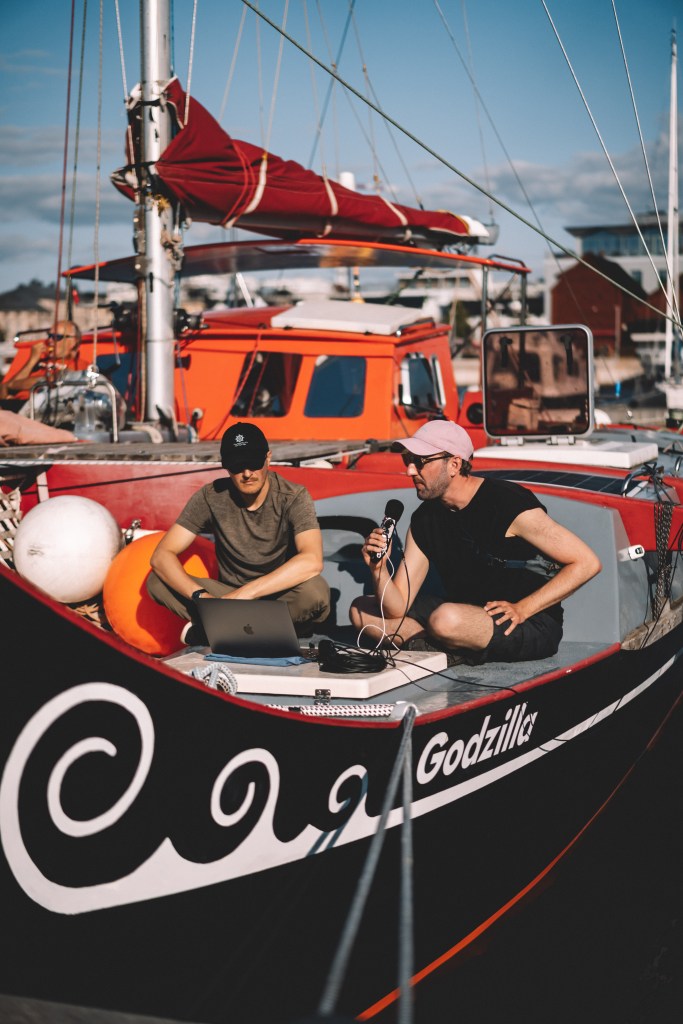
I had just a few days onboard, yet the residency was a powerful reminder that art and science are not separate disciplines but complementary ways of knowing the world. Designing new ways to efficiently collect eDNA is a creative act; the subsequent analyses and interpretation of the data is a scientific one. Onboard, these boundaries dissolved. We were all observers… questioning and responding to the sea around us.
This work matters beyond the shores of the Baltic. As Europe enters its restoration decade, projects like Imagining Godzilla offer a blueprint for the future. They show how we can bridge the gap between science, society, and art, creating new forms of collaboration and public engagement. They show that concrete action can be born from creative inquiry.
My time on Godzilla was a profound experience. It was a chance to be part of a new partnership exploring biodiversity loss, to contribute to a project that is as much about hope and curiosity as it is about data and critical observation. It was a reminder that even in a sea under immense pressure, there is a hidden world of life waiting to be seen, understood, and protected. The journey was a testament to the power of asking questions, of looking closer, and of using every tool we have to build a future of care and reciprocity.
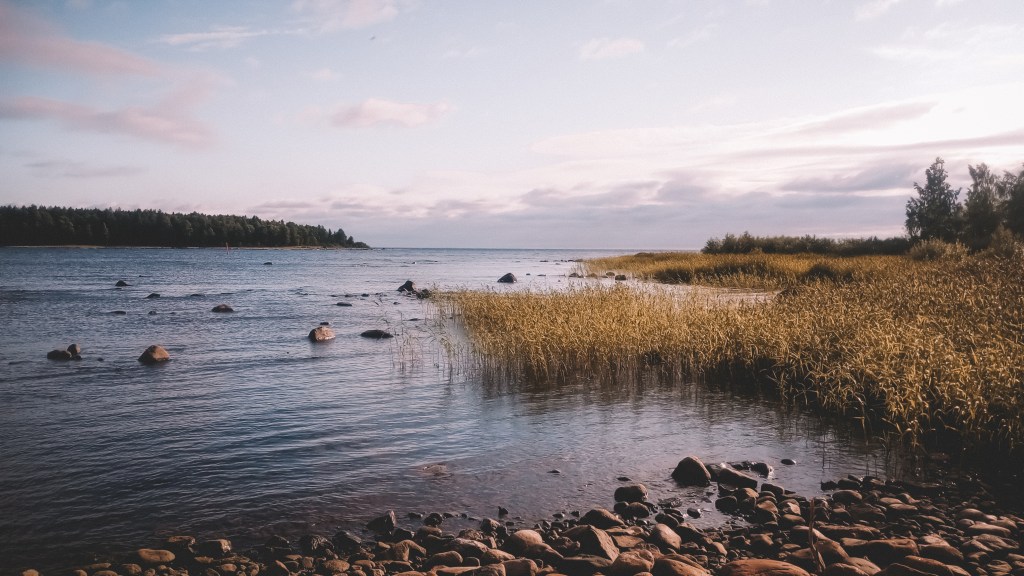
The Baltic is, in many ways, a preview of what may await the broader Arctic. It is a sea where the limits of exploitation have already been reached… where industrial runoff, agricultural intensification, shipping traffic, and the slow, suffocating pulse of climate change have converged to create one of the most stressed marine environments on the planet. Yet it is also a sea that still holds immense value: ecologically, culturally, and economically. It has not been abandoned, nor spared. Instead, it exists in a state of precarious negotiation, a delicate balance between those who would extract more and those who recognize that the sea’s remaining vitality is itself a resource worth preserving. In this sense, the Baltic offers a living case study for how geopolitics may eventually reckon with the Arctic’s other fragile regions. The question is not whether these areas will be subject to pressure, but whether the frameworks for care, monitoring, and reciprocity can scale up quickly enough to matter. The Baltic is not a warning from the future. It is the present, asking us to pay attention.


Leave a Reply