
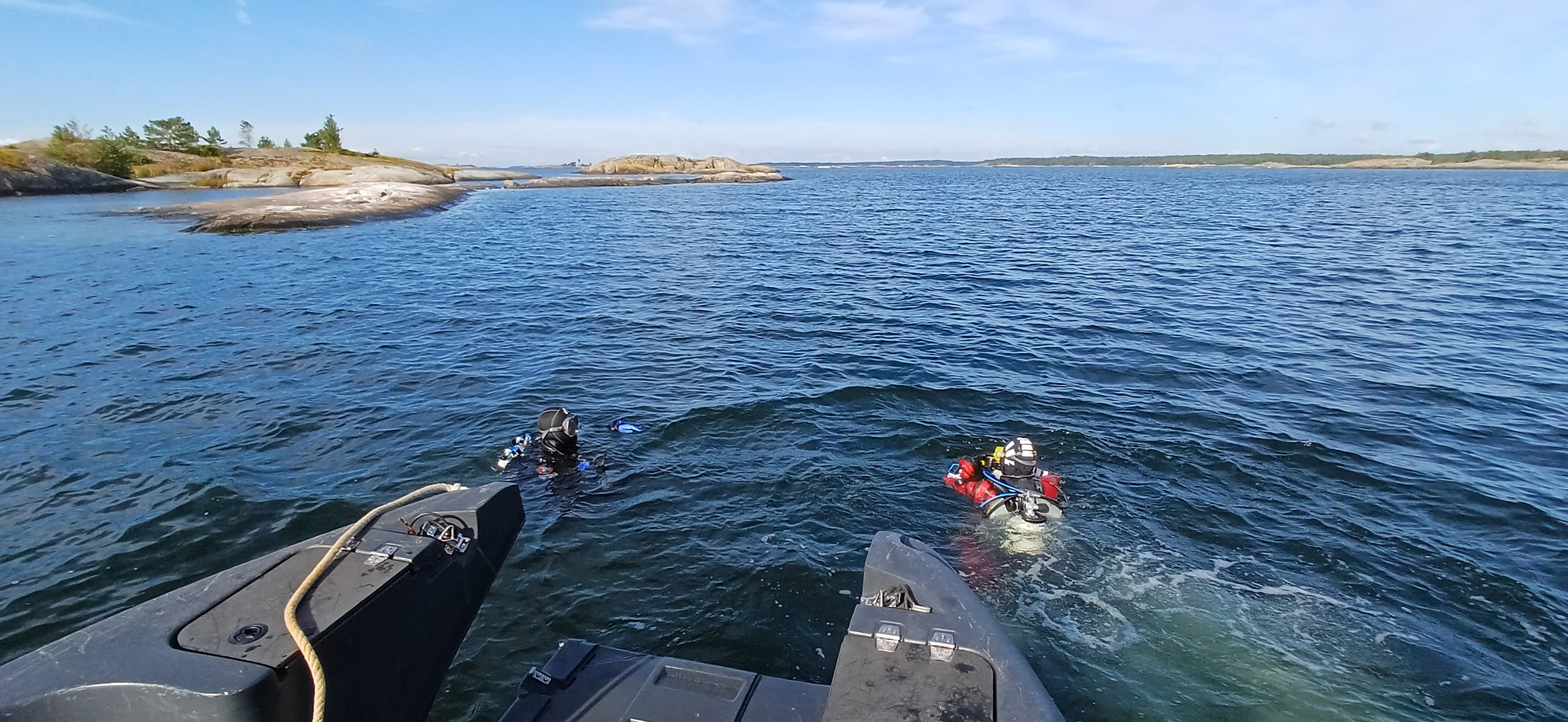
The world around us is changing, and so are ecosystems. With this project, we are making use of one of the Baltic Sea’s most important species: The Baltic blue mussel, Mytilus trossulus. This project uses their central role within the ecosystem and molecular analyses to examine and track changes in ecosystem health and composition over time. Detecting epigenetic signals as indicator of abnormal stress levels can translate into timely action to mitigate negative consequences before a tipping point is reached.
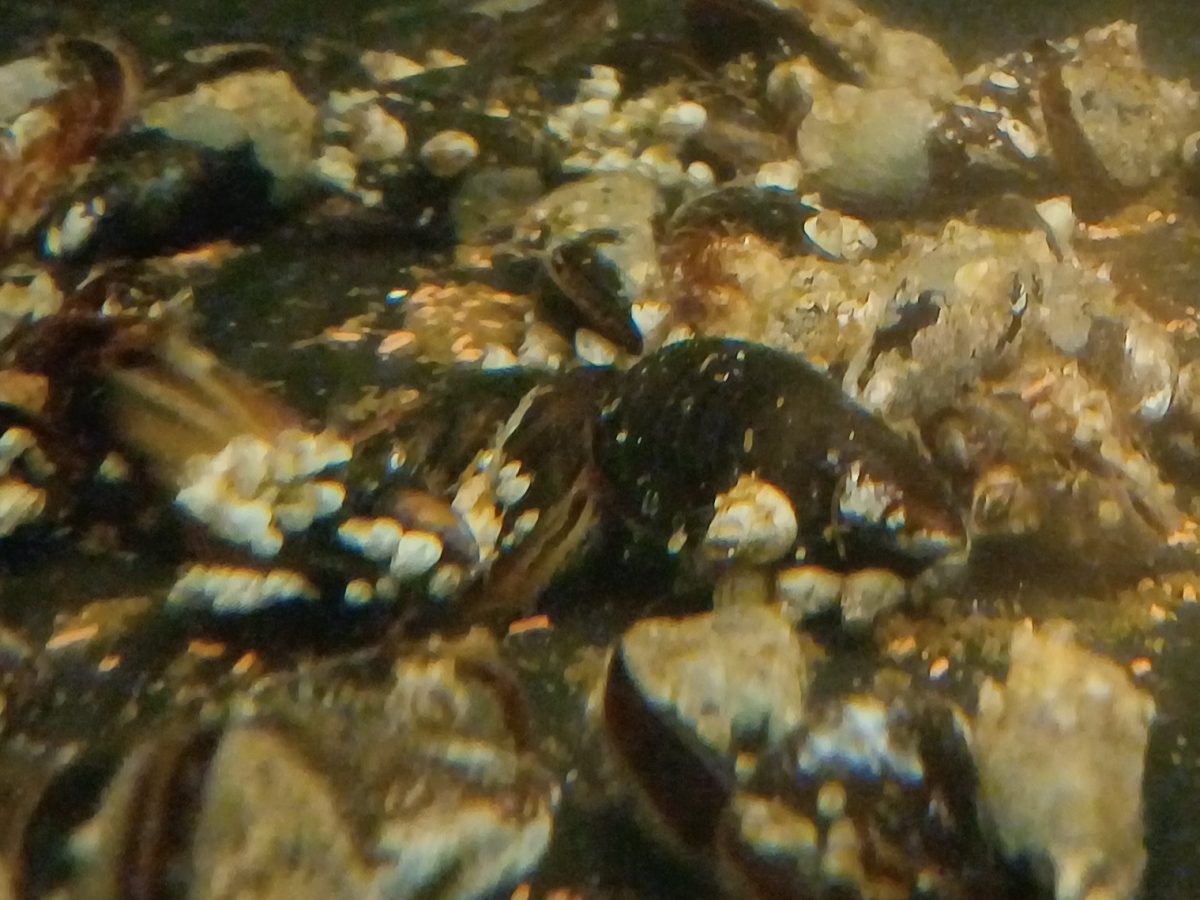
Within its habitat, Mytilus trossulus dominates the rocky bottom, growing in large mussel beds which give structure to the seabed and serve as refuge and habitat for many small animals and fish larvae. With their filter feeding activity, they clean the water from particles and help to alleviate large algae blooms, while also serving as an important food source for many other species of fish and birds.
Baltic blue mussels can tolerate much lower salinity conditions than closely related species and show remarkable adaptations to these conditions, able to rapidly adjust back and forth between low and high salinity conditions. This ability may be linked to epigenetic processes regulating gene activity without altering the genetic code. Among these, DNA methylation stands out. Studies in other mussel species have linked it to responses to salinity stress, temperature stress, air exposure and microplastic exposure.
The project aims to:
- Reveal the evolutionary mechanisms behind the Baltic blue mussels’ resilience and ability to deal with their dynamic environment
- Characterize the DNA modifications presented in M. trossulus when stressed
- Investigate the potential of environmental DNA from the mussel’s gut from museum collections to look back in time and reconstruct the loss of biodiversity in their habitat
Funding

Foundation


Collaboration Partners

Worked on by

Outreach
Blog Posts
Publications
in progress
