
Choose a language / Escolha um idioma / Scoli un língua

In September 2026, a course on applied conservation genetics will take place in Bissau, Guinea-Bissau. The goal is to teach the newest molecular technology to people that already work or will work in the future with the incredible but also threatened biodiversity of their own country. The following blog post is written by Maria Joana Ferreira da Silva, one of the course’s teachers!
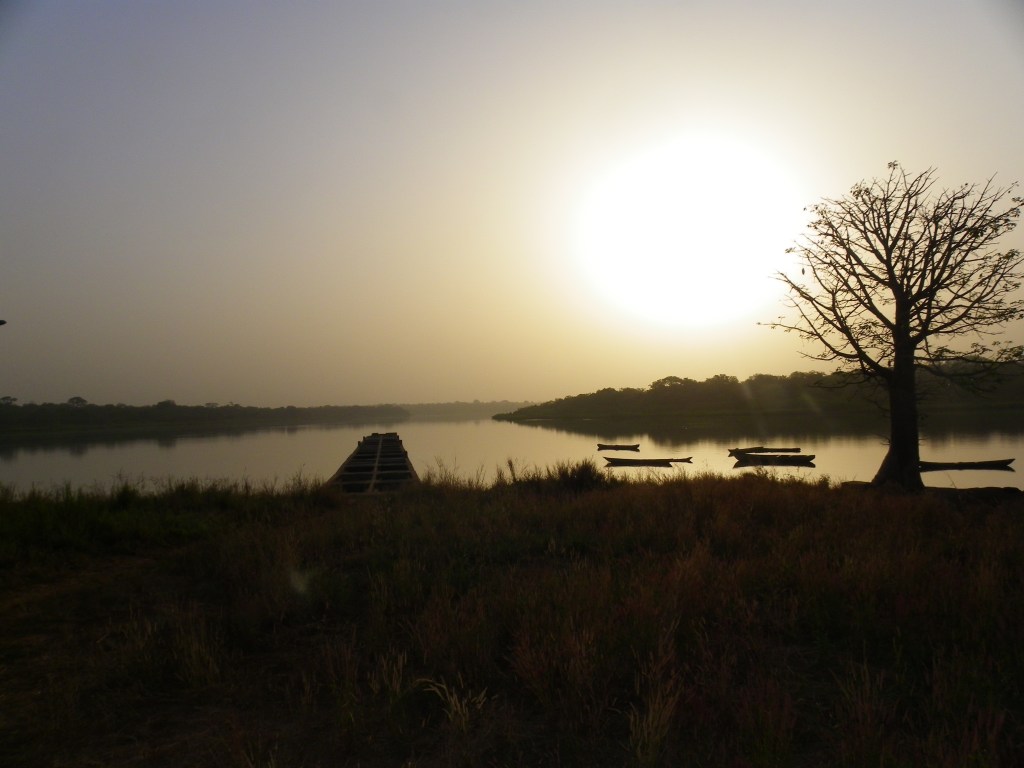
Africa is home to one of the highest concentrations of biodiversity on Earth. Although the continent covers only around 20% of the planet’s land surface, it supports an unparalleled wealth of biological diversity (Fig. 1). Within this remarkable natural heritage, Guinea-Bissau stands out as one of the biodiversity hotspots in West Africa, providing an important refuge for wildlife and ecosystems of exceptional ecological value.
Despite the significant progress achieved in nature conservation over recent decades, habitat loss and fragmentation, climate change, and unsustainable hunting, continue to pose major threats to global biodiversity. Addressing these challenges increasingly depends on integrating scientific knowledge with the experience of conservation practitioners working on the ground and the ecological and traditional knowledge of local communities. Among the most promising tools available today, conservation genetics is particularly promising. This discipline applies genetic principles to the protection of species and ecosystems (Fig. 2). Its primary aim is to understand how the genetic diversity present within wild populations influences their ability to adapt to environmental change and persist over time.
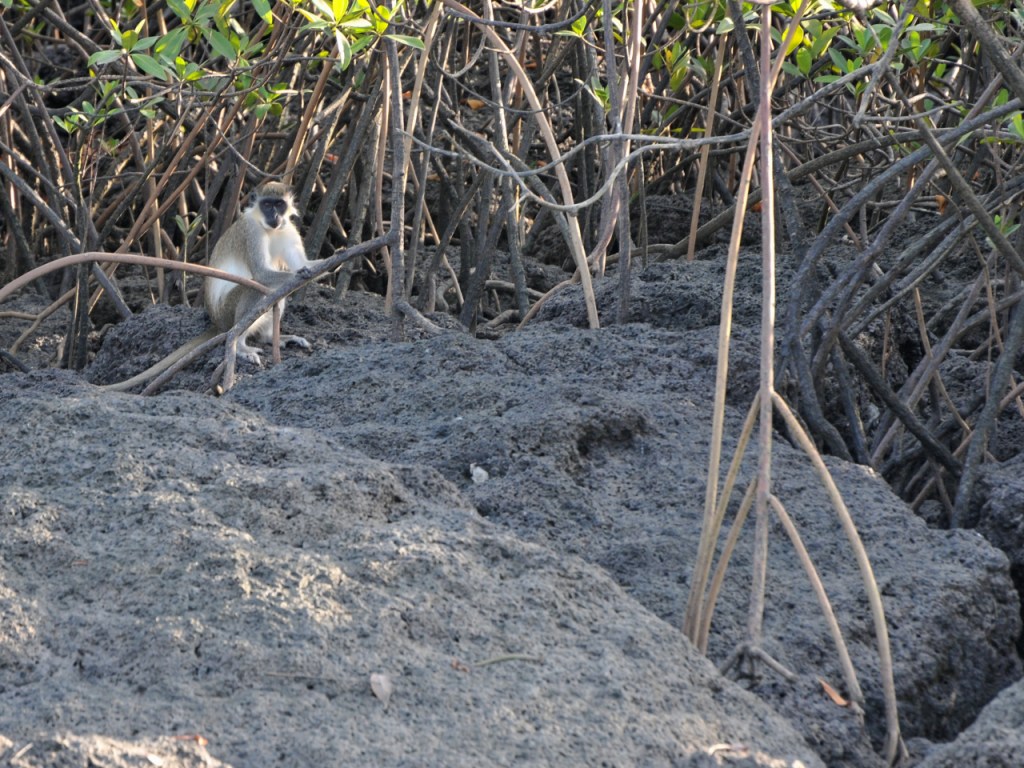
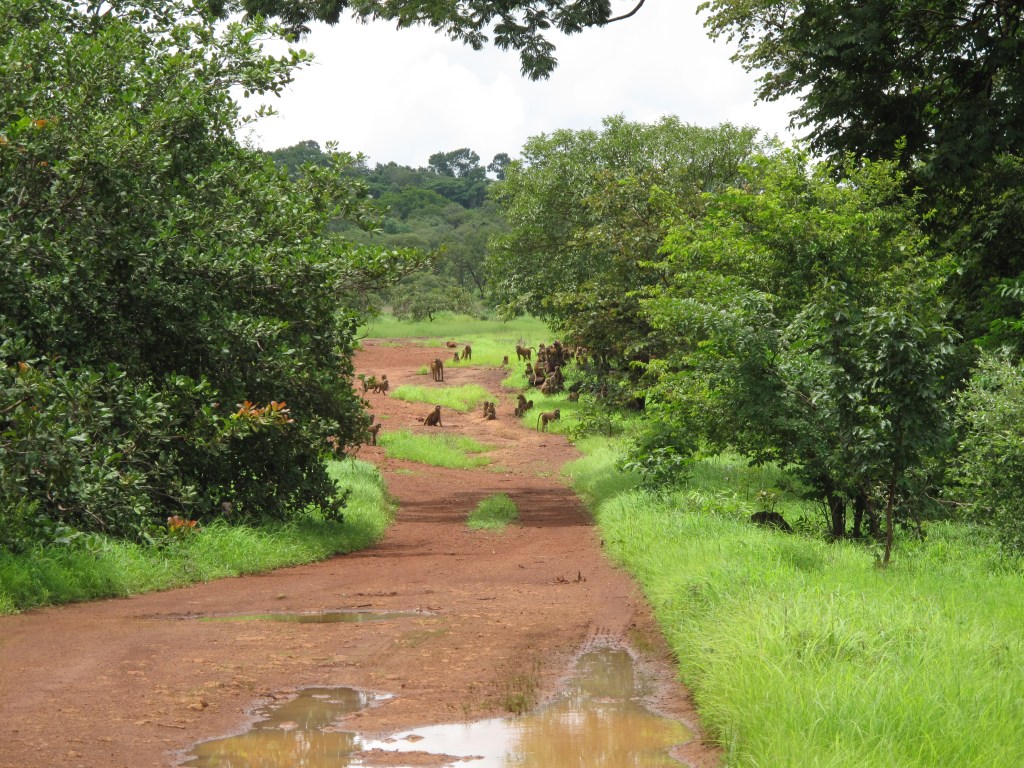
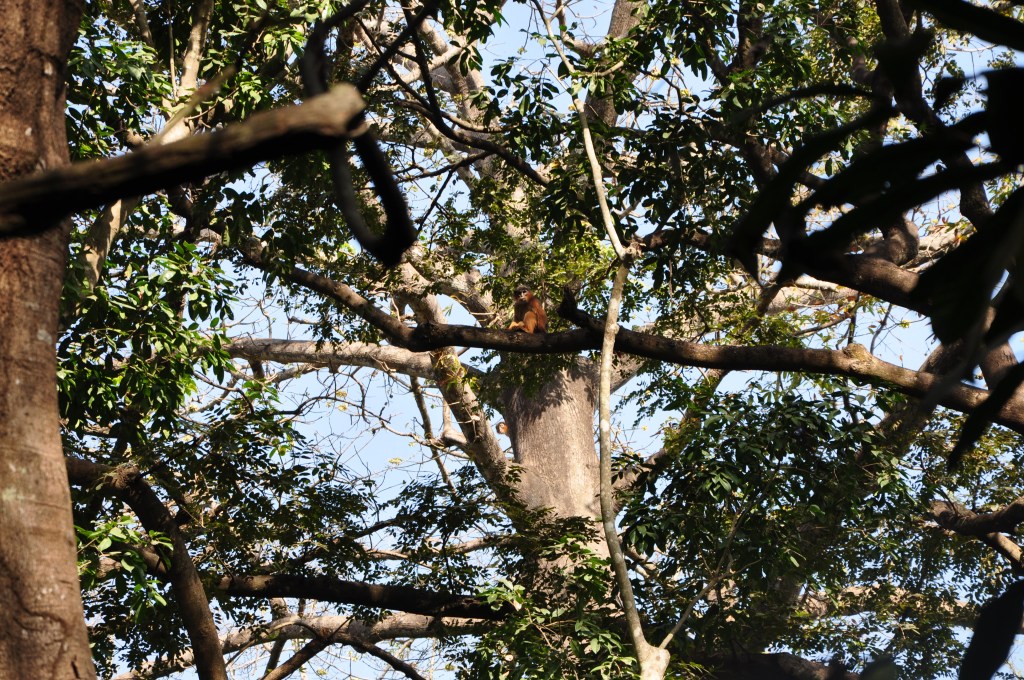

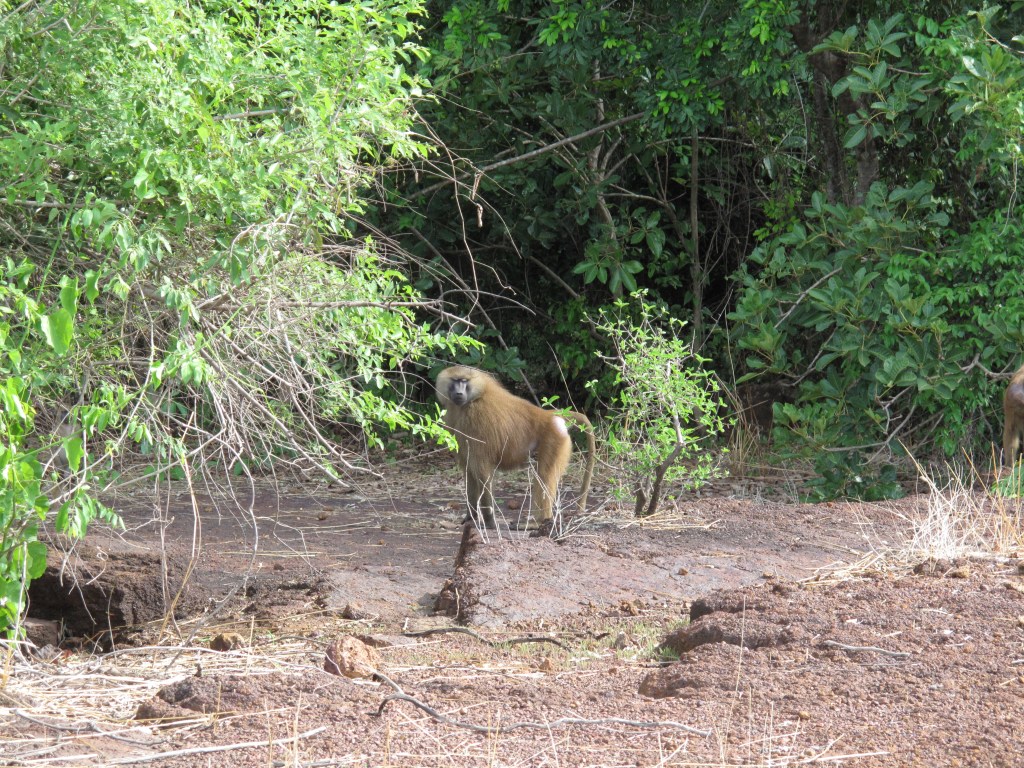
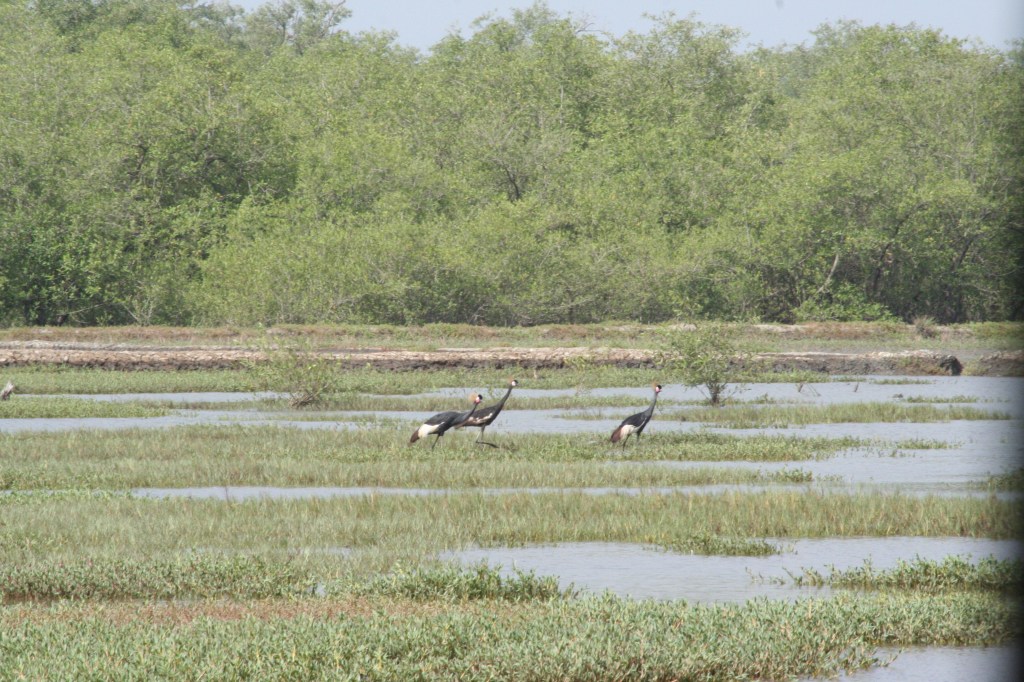
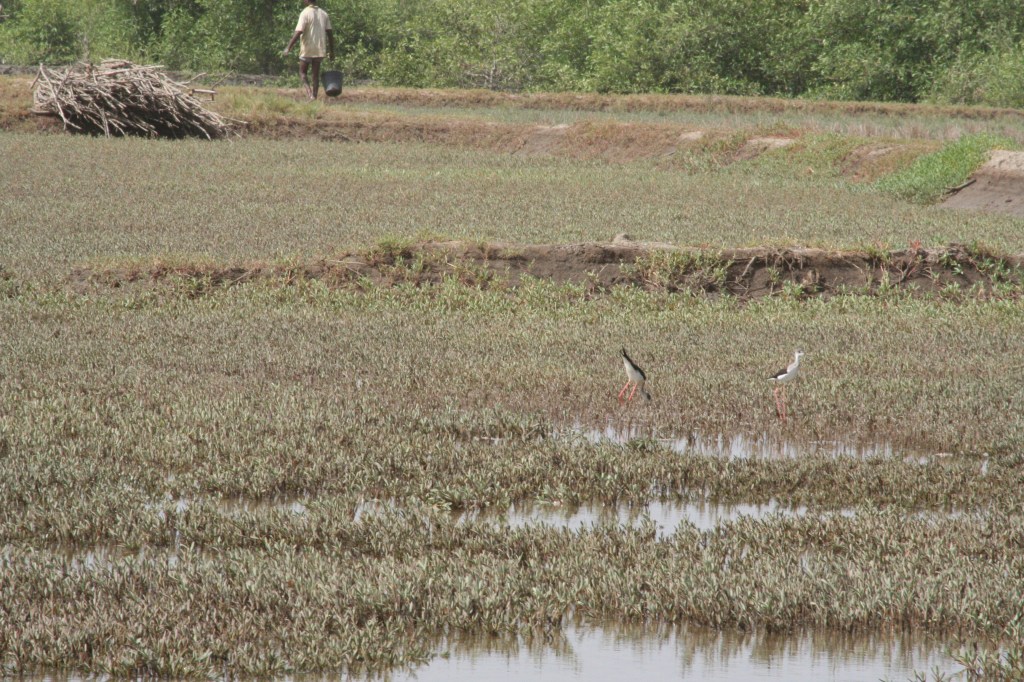
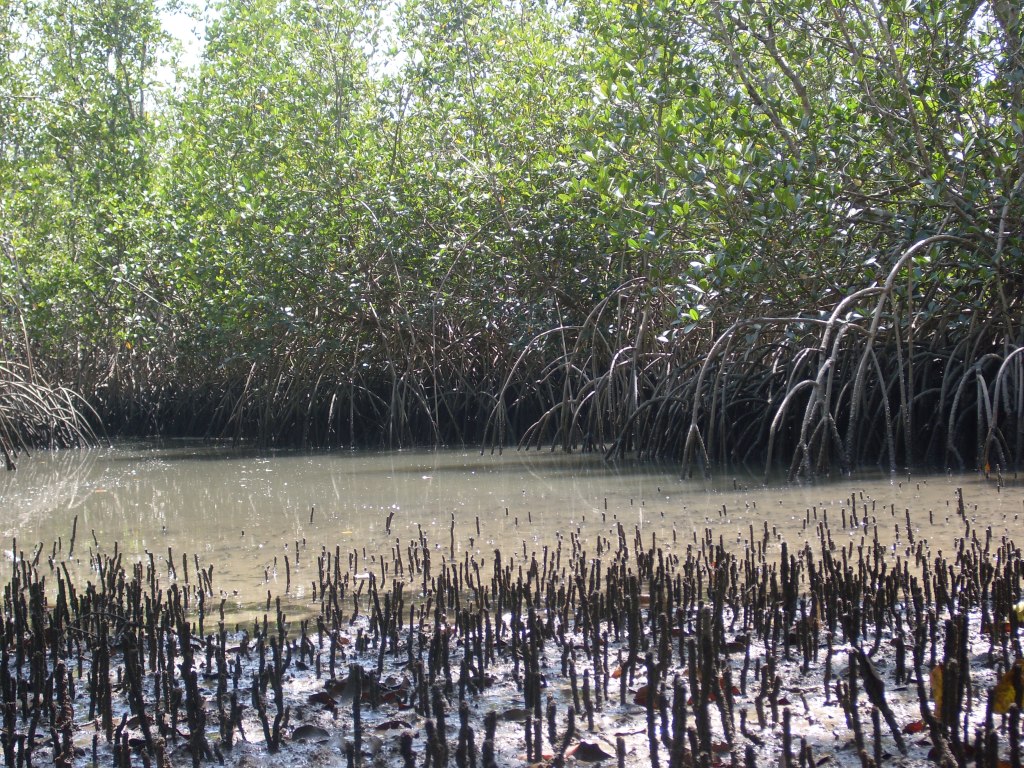
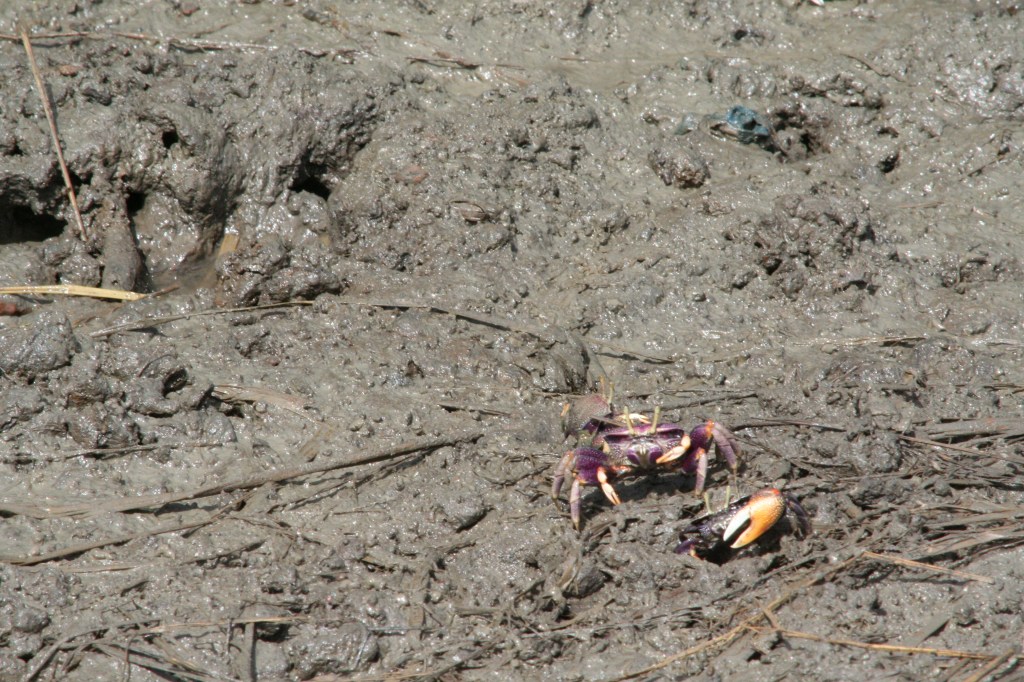
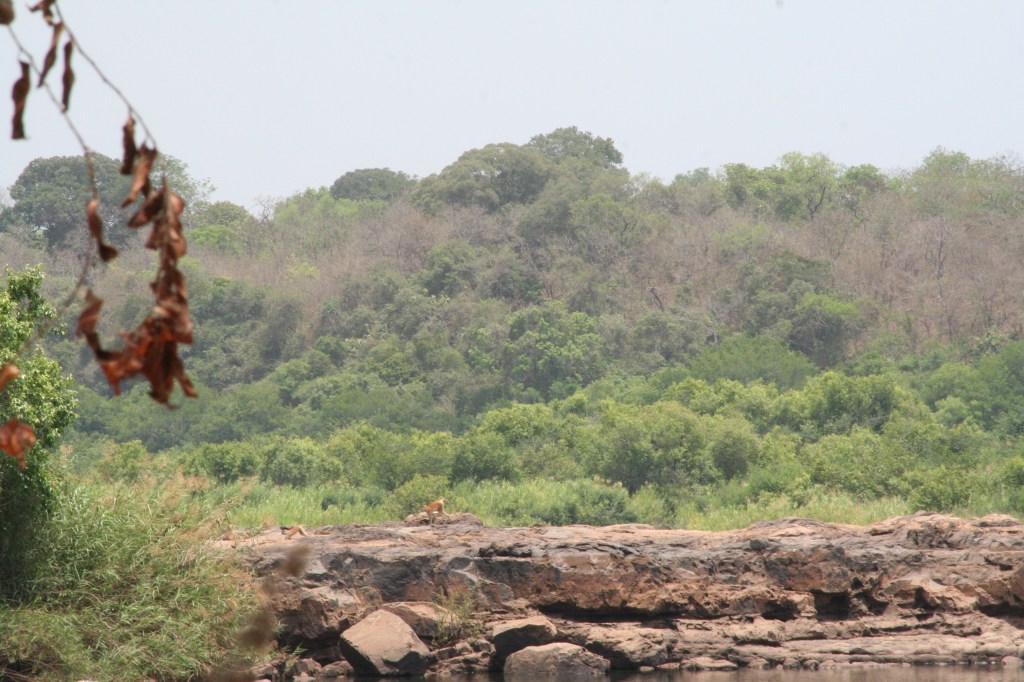
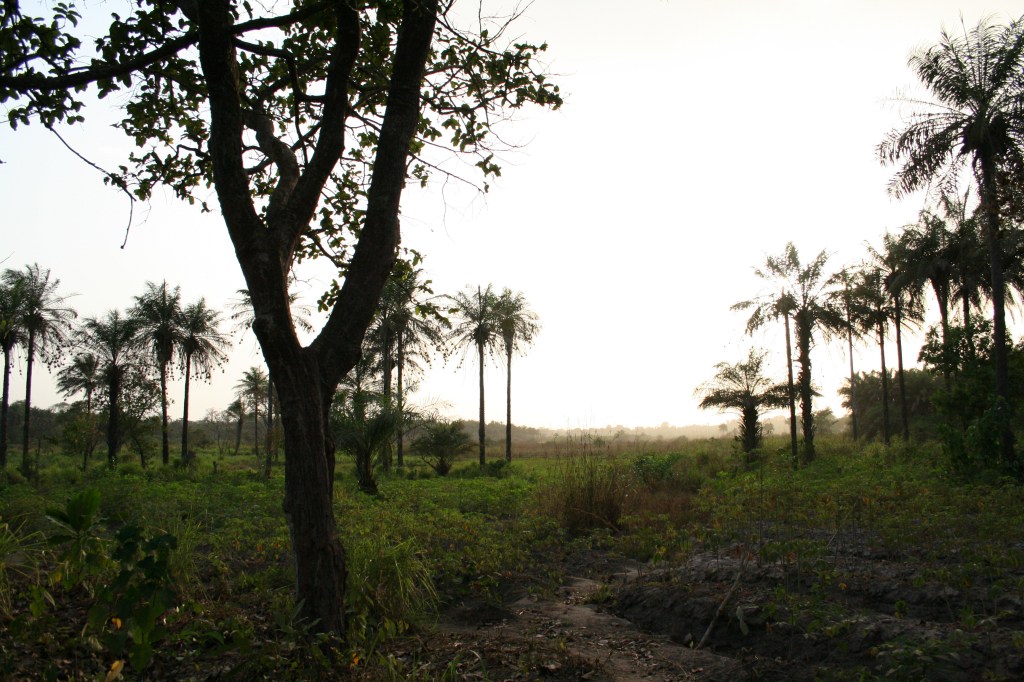
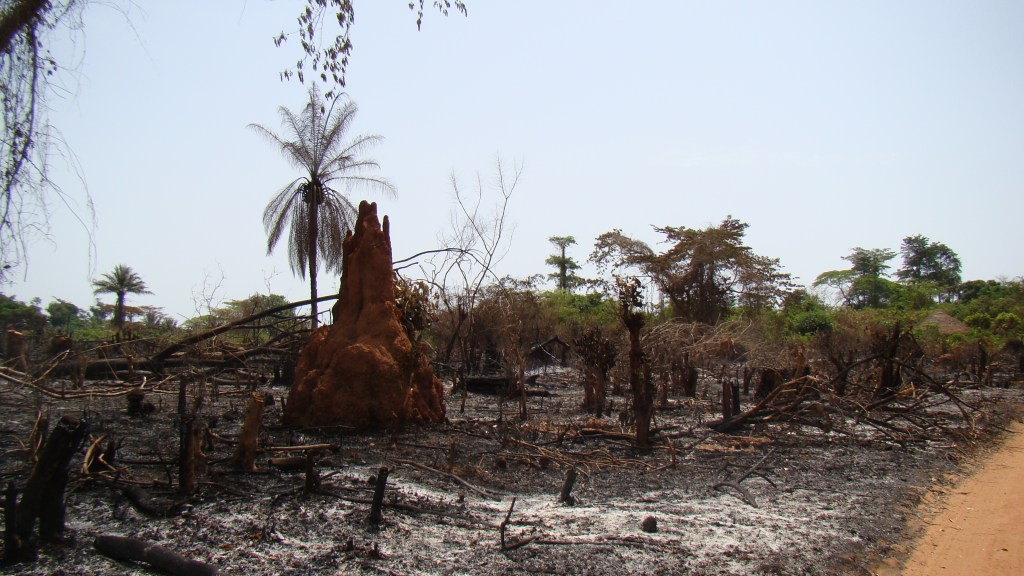
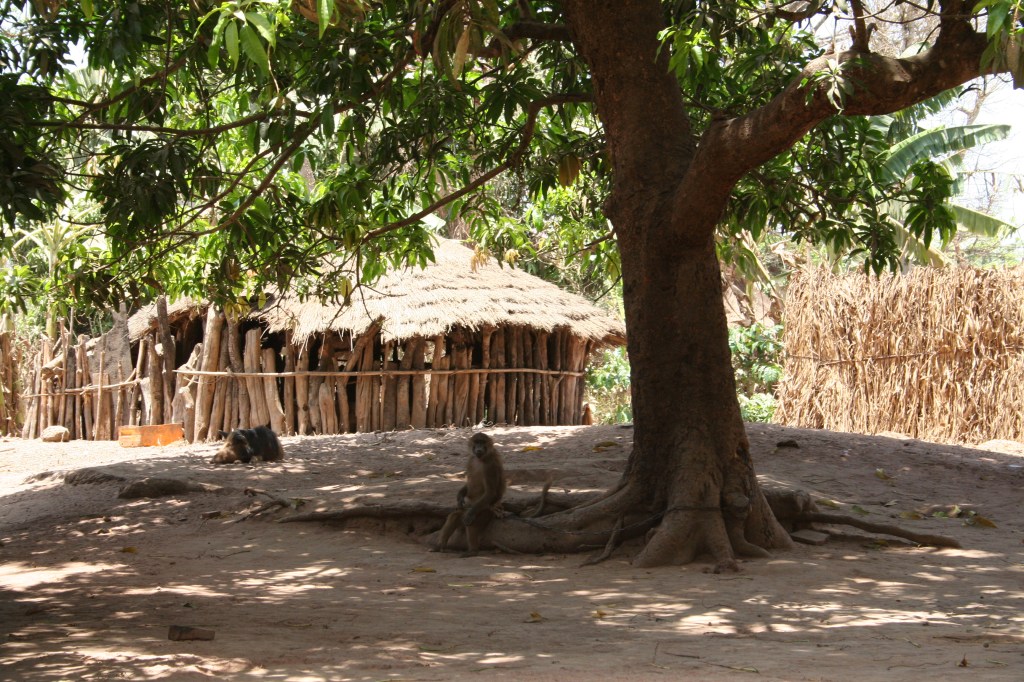
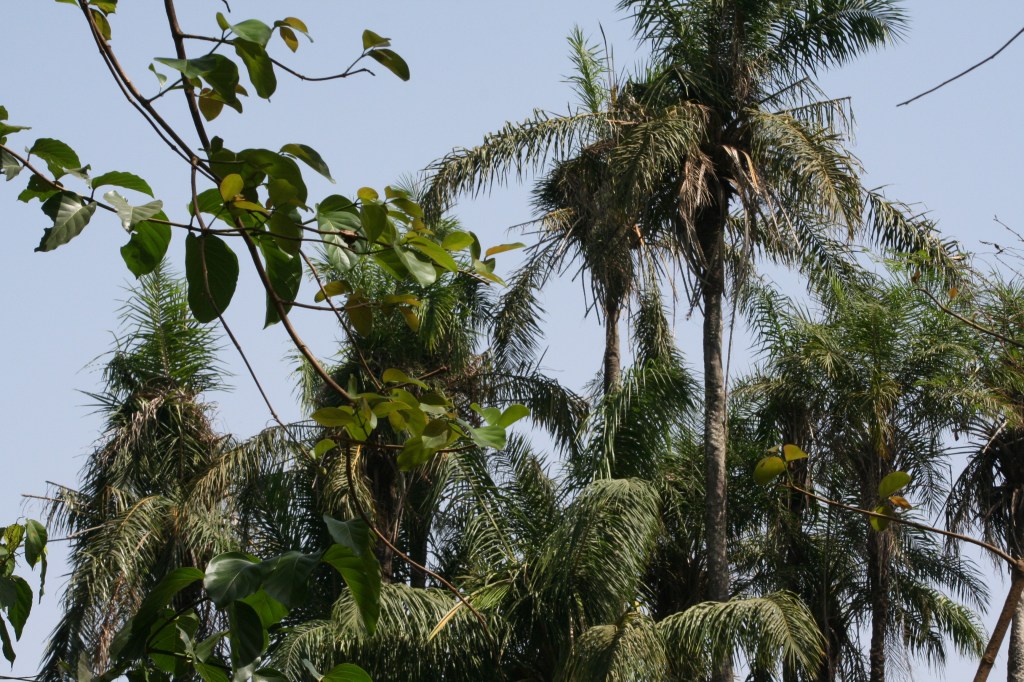
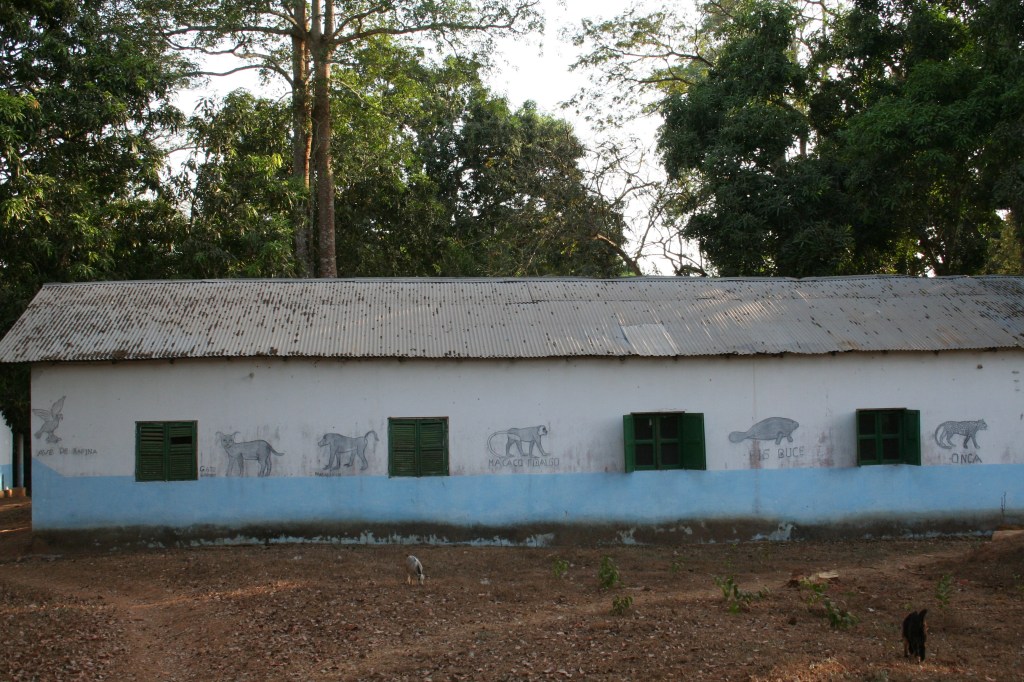
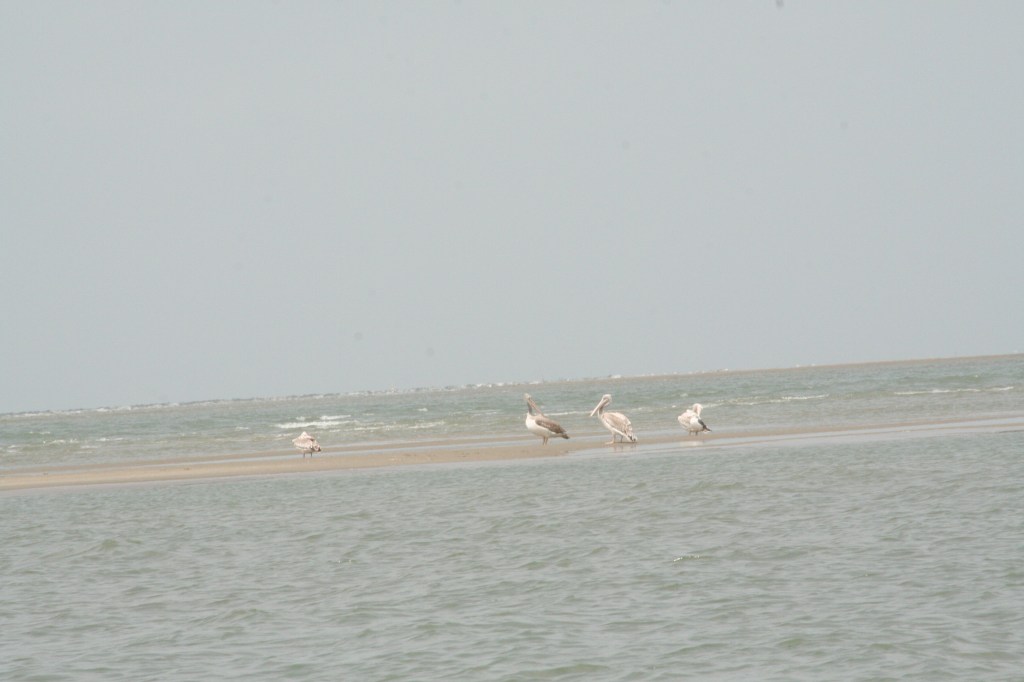
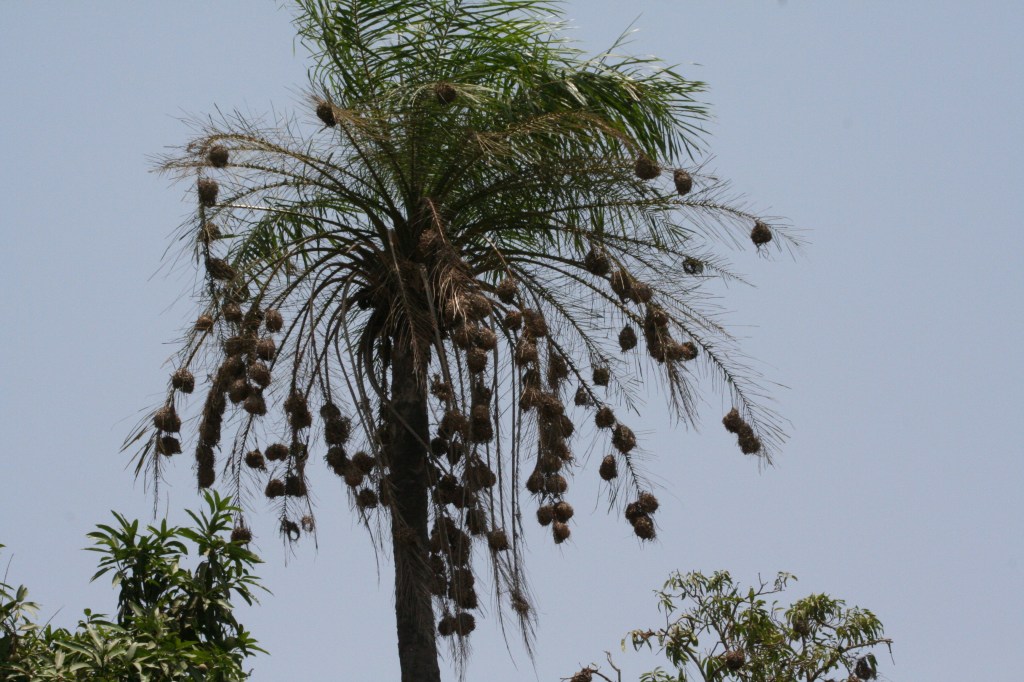
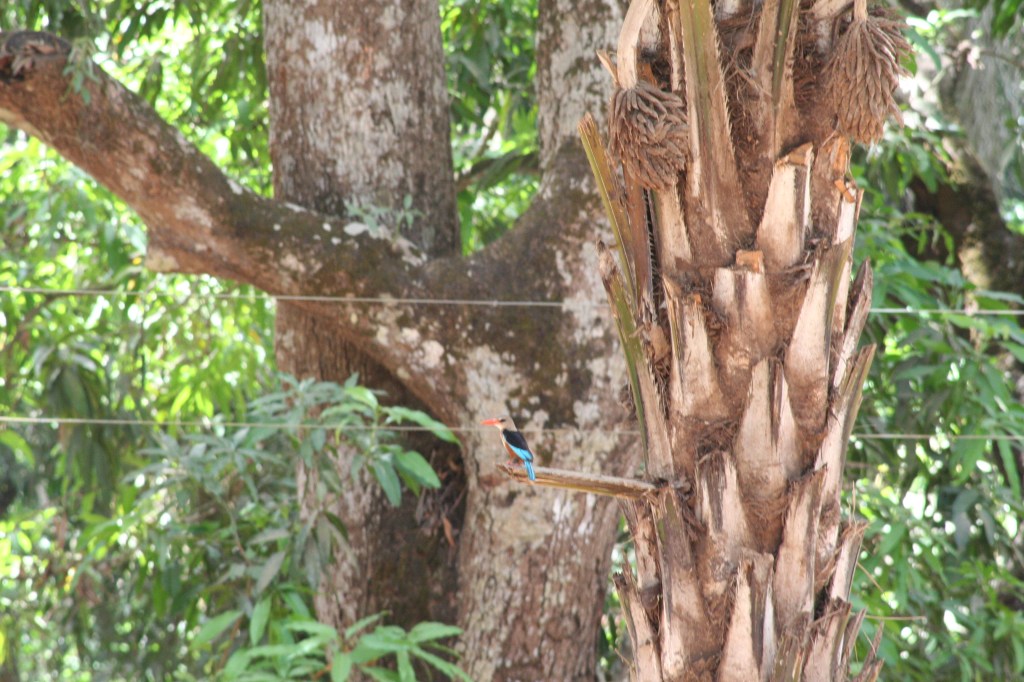
Figure 1. Some impressions of biodiversity in Guinea-Bissau. Africa’s extraordinary biodiversity in numbers: The continent is home to approximately 70,000 plant species—around one-sixth of all known plant species worldwide—as well as approximately 1,100 mammal species (17% of the world’s mammals), 2,500 bird species, 950 amphibian species, 2,000 reptile species, and around 5,000 freshwater fish species, reflecting Africa’s fundamental role in conserving global biodiversity. Information adapted from the scientific paper by Bezeng B.S. et al. (2025), An African Perspective to Biodiversity Conservation in the Twenty-First Century, Philosophical Transactions of the Royal Society B, 380, 20230443.
Genetic diversity refers to the natural differences in DNA among individuals of the same species. Just as two people are not exactly alike, animals and plants also differ slightly in their DNA, and these differences can influence characteristics such as disease resistance, the ability to adapt to varying environmental conditions, and their reproductive success. Past studies highlighted that populations holding high levels of genetic diversity show greater capacity to respond to environmental changes such as climate change, habitat degradation, and the emergence of new diseases. Conversely, when populations become small and isolated, genetic diversity may decline, which increases their vulnerability and the risk of extinction.
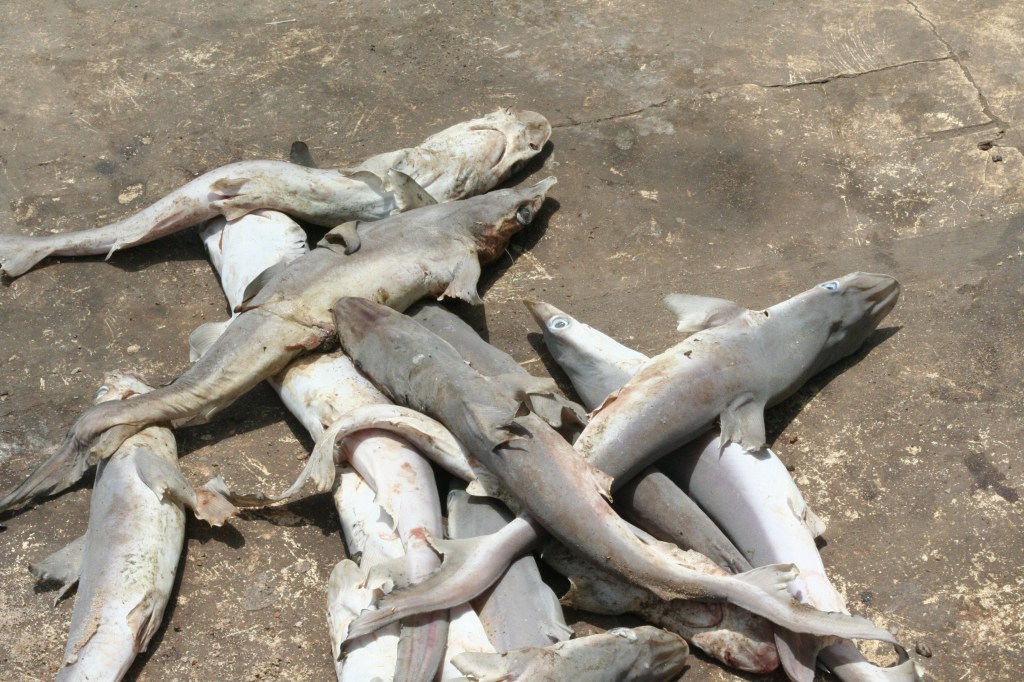
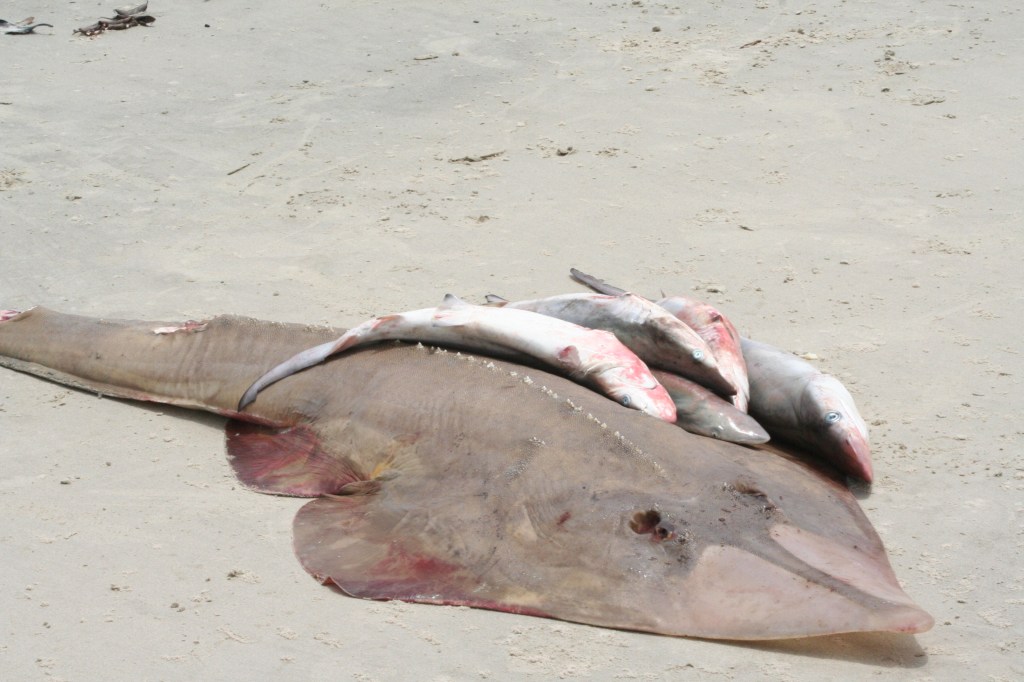
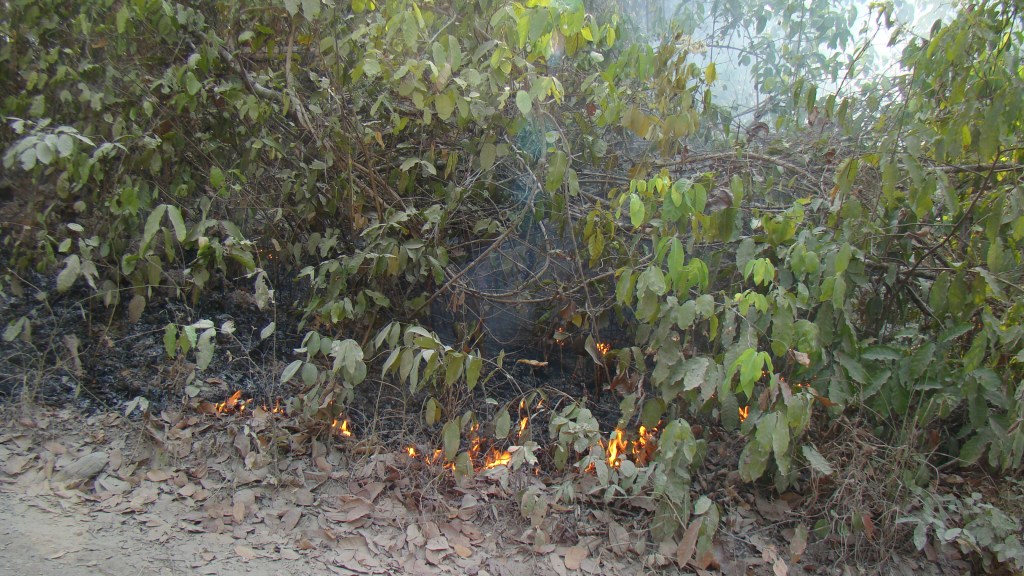
Figure 2. Nature under pressure in Guinea-Bissau.
Conservation genetics uses this information to support biodiversity management and conservation decision-making. Scientists can assess levels of genetic diversity within populations and identify particularly vulnerable ones, understand and map dispersal of individuals and estimate gene flow patterns among populations, support animal and plant translocation and reintroduction programmes, and estimate and monitor the effective population size of threatened species. Genetic information is an additional source of scientific evidence that complements other forms of information and contributes to biodiversity planning, monitoring, and management.
It is important to emphasise that conservation genetics does not replace the expertise of protected area managers, rangers, conservation practitioners, or the ecological knowledge accumulated through decades of field research, nor does it replace the ecological and cultural knowledge held by local communities. Rather, it is a complementary tool that helps answer questions that cannot be addressed through direct observation alone. The best conservation outcomes are achieved when genetic information is interpreted alongside the knowledge of practitioners, researchers, and local communities, thereby strengthening biodiversity planning and management.
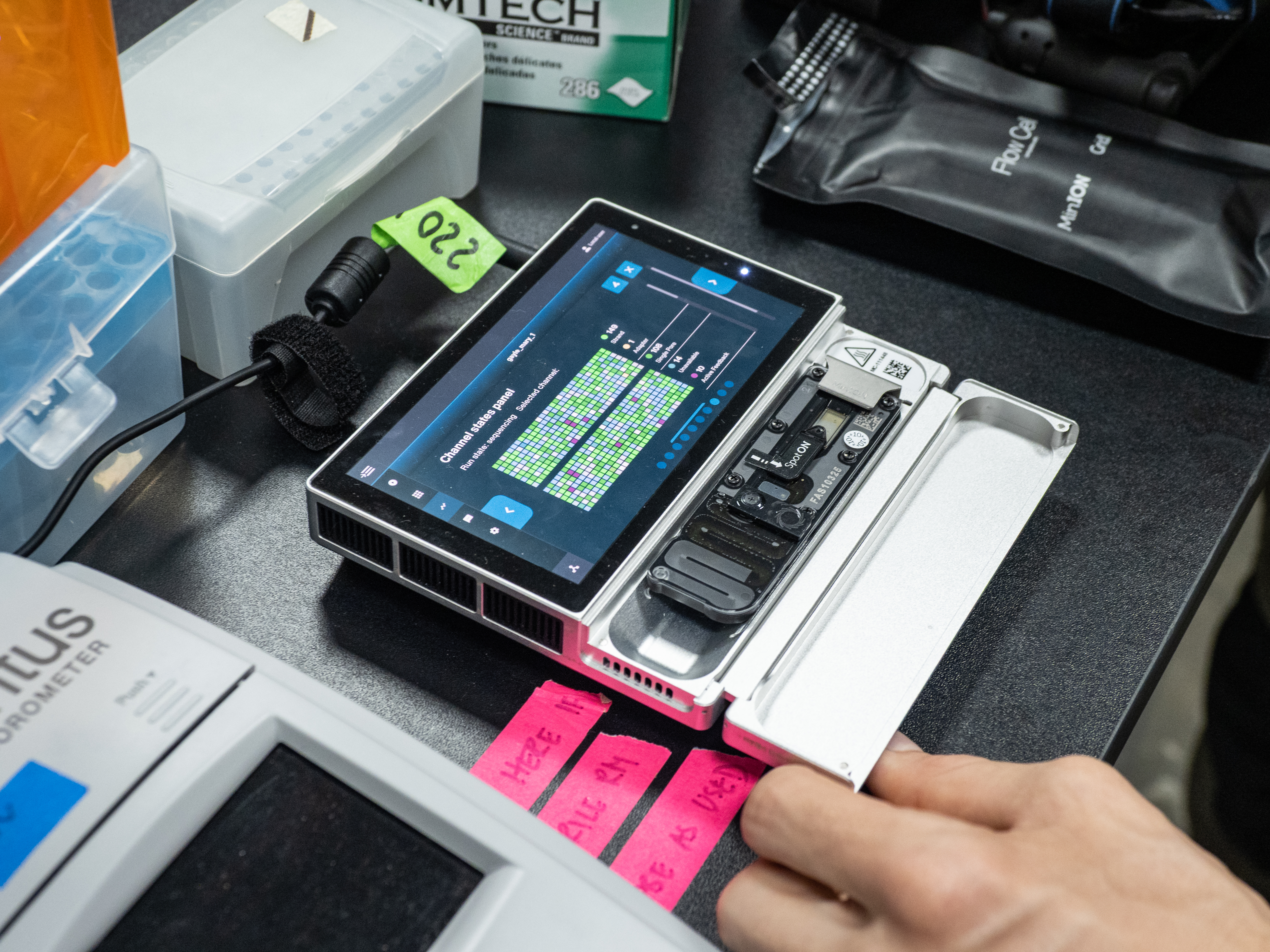
In recent years, an important technological innovation has made these approaches far more accessible: portable molecular biology laboratories. Compact and easily transportable, these devices enable modern genetic analyses to be carried out in a wide range of settings, complementing existing laboratory infrastructure and expanding the capacity of institutions, researchers, and technical staff to conduct genetic analyses in locations where access to fully equipped laboratories may be limited (Fig. 3). These technologies accelerate the generation of knowledge on the genetic diversity of wild populations while also supporting the continued training of students, researchers, and conservation professionals.
It is within this context that a free course on Portable Molecular Biology will be held in Bissau between 21 and 28 September 2026.
Over the course of one week, university students, lecturers, staff from public institutions, and members of conservation organisations, will receive practical training in conservation genetics and the use of portable laboratory equipment for molecular species identification and biodiversity monitoring. The course aims to promote the exchange of experience, strengthen scientific collaboration, and expand opportunities for advanced training in conservation genetics in Guinea-Bissau. The course will be delivered in Portuguese by researchers affiliated with Cardiff University (United Kingdom) and part of the PRIMACTION project and the University of Oulu (Finland) and in partnership with national institutions including the Institute for Biodiversity and Protected Areas (IBAP) and the National Institute for Fisheries and Oceanographic Research (INIPO). The course is funded by the Society for Molecular Biology and Evolution, the European Society for Evolutionary Biology and the Foundation for Science and Technology.
Applications are open until 20th August. Further information can be found here.
This initiative is intended to complement the ongoing efforts of national institutions to strengthen the training of professionals dedicated to biodiversity conservation.


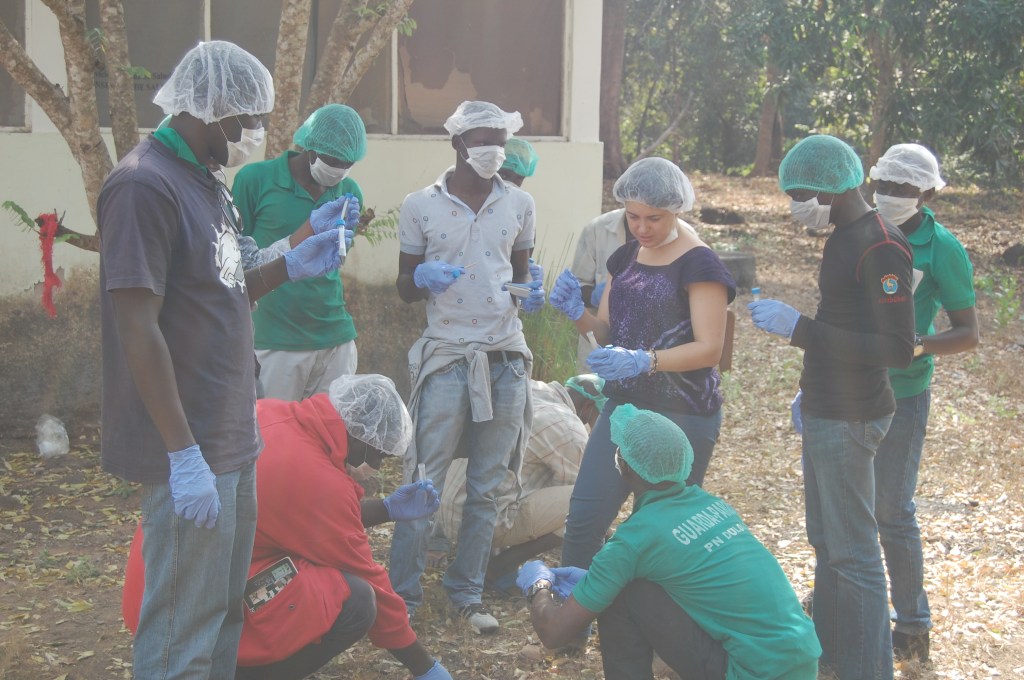
Figure 3. Maria in former initiatives for biodiversity education in Guinea-Bissau. Those photos were taken from the course on Primate Conservation Genetics in Dulombi National Park in 2016.
Guest Author
Related Course
Blog category

Collaboration Partners
Funding






Leave a Reply