
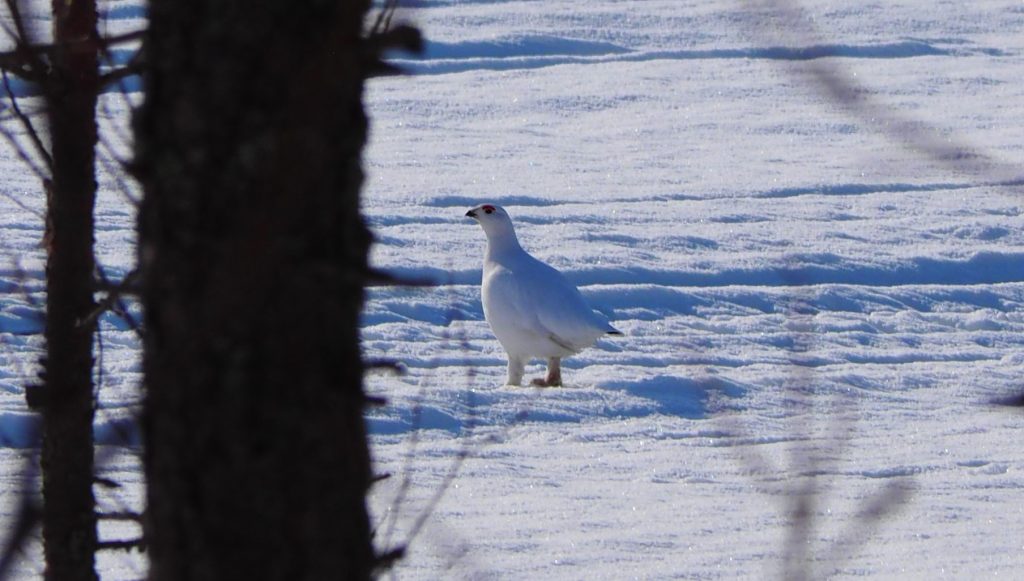
Willow ptarmigan (Lagopus l. lagopus) near Pudasjärvi, Finland. 
Sampling excursion at the Kiilopää in the Urho Kekkonen National Park. 
Sampling excursion at the Kiilopää in the Urho Kekkonen National Park. 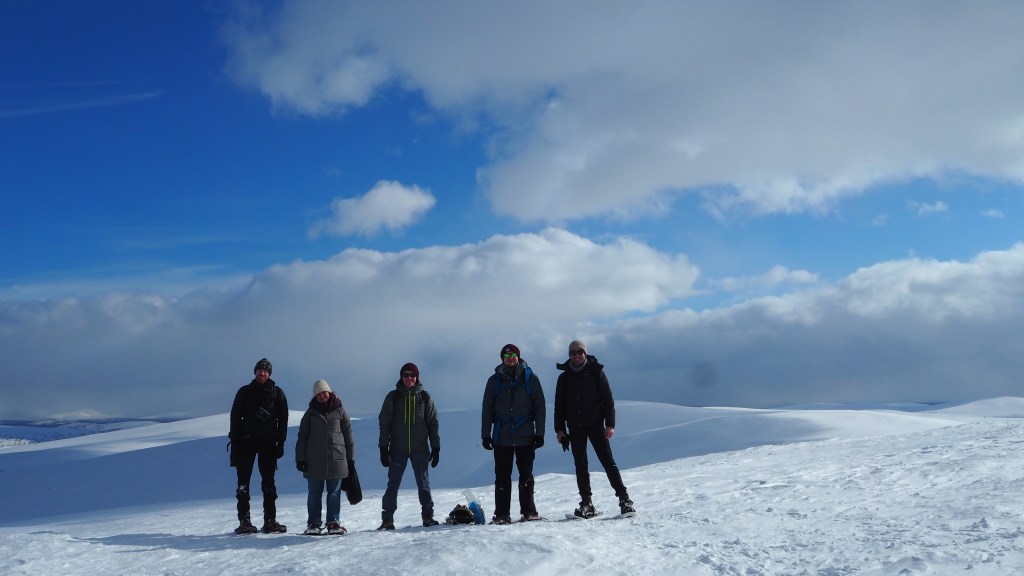
Stefan Prost, Maria Ferreira da Silva, James Kirk, Maximilian Schrade, Gerrit Wehrenberg 
Sampling excursion at the Kiilopää in the Urho Kekkonen National Park. 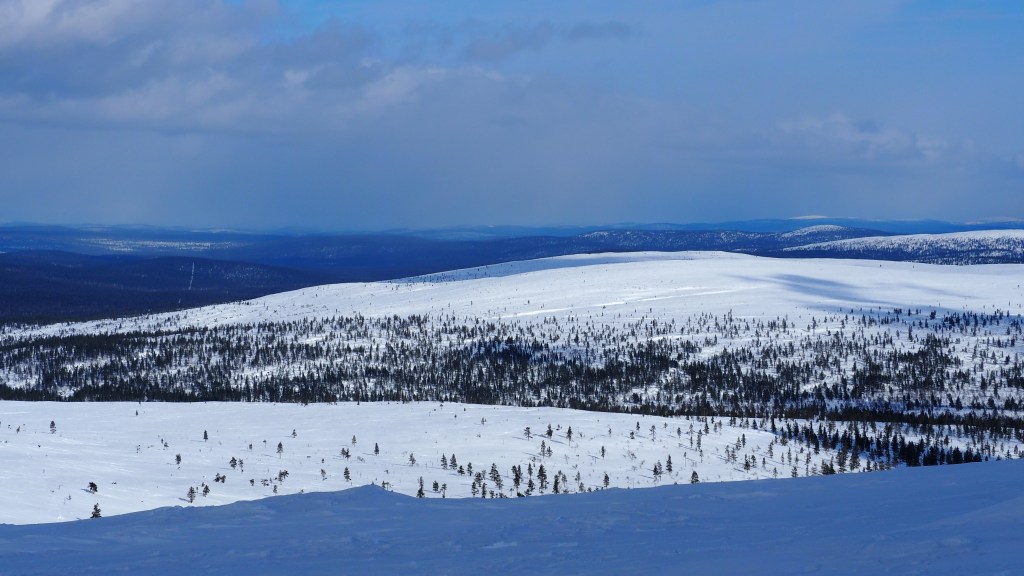
Sampling excursion at the Kiilopää in the Urho Kekkonen National Park. 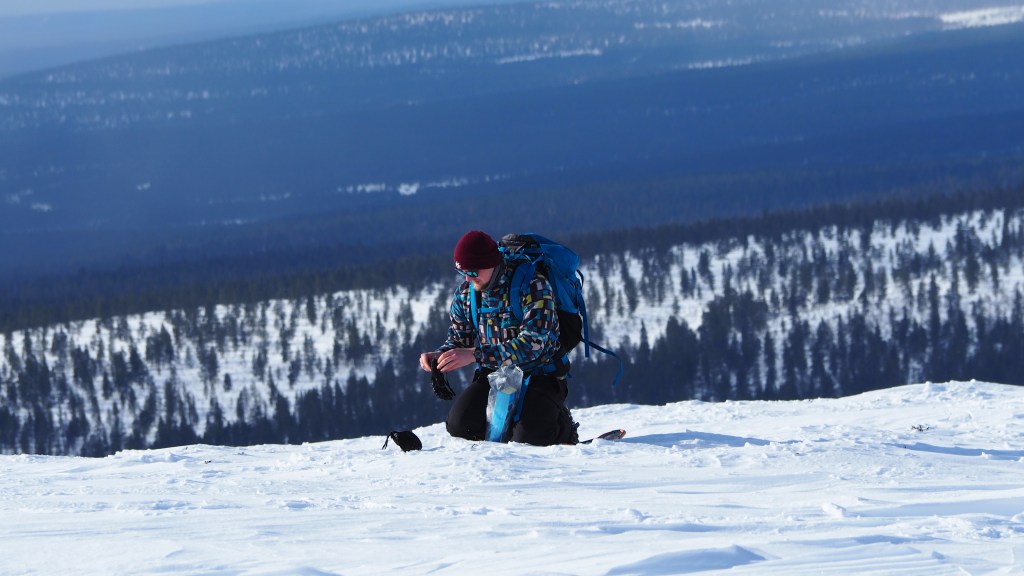
Sampling excursion at the Kiilopää in the Urho Kekkonen National Park. 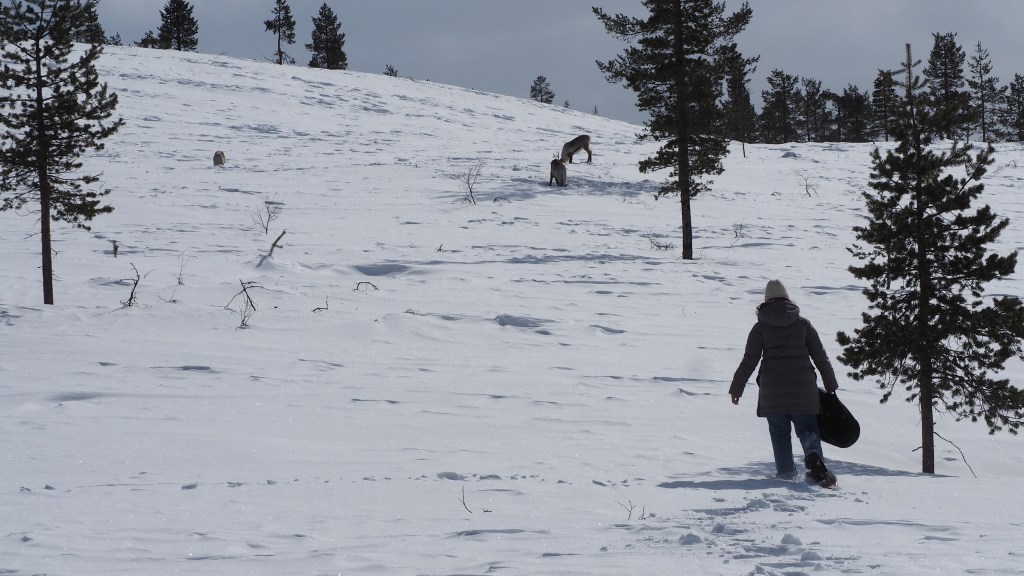
Sampling excursion at the Kiilopää in the Urho Kekkonen National Park. Encountering some reindeer foraging for food. 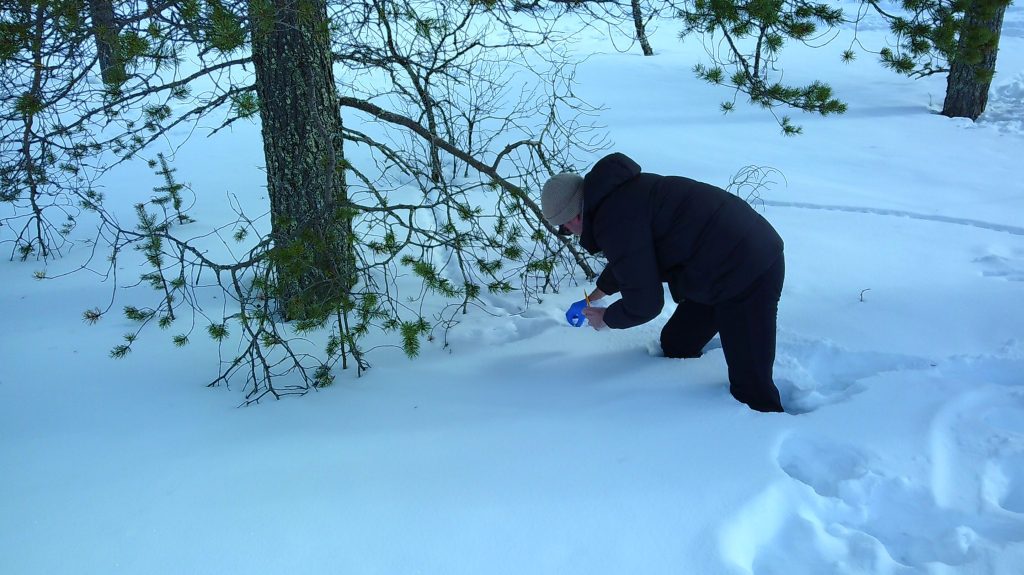
Non-invasive sampling of ptarmigan droppings. 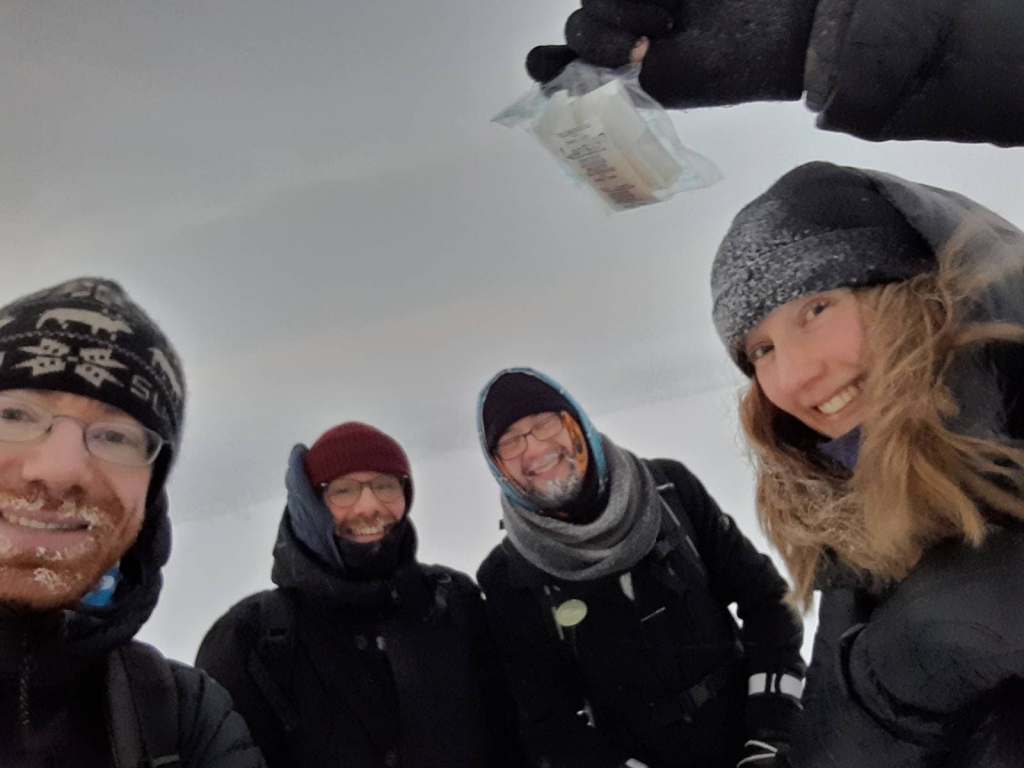
Brave biologists sampling ptarmigan droppings in windy -17°C. 
Sampling excursion at the Kiilopää in the Urho Kekkonen National Park. 
Visiting Siberian tit (Poecile cinctus) in Saariselkä, Finland.
Europe is home to two ptarmigan species: the willow ptarmigan (Lagopus lagopus) and the rock ptarmigan (Lagopus muta). In some northern regions of Eurasia, both species occur in close proximity, yet they are almost never sympatric (=sharing the same habitat). Instead, they remain strictly allopatric (=seperated in different habitats). The willow ptarmigan is typically found in more forested areas, while the rock ptarmigan prefers open, tundra-like landscapes. Their separation is so consistent that, despite their similar appearance, especially in their white winter plumage, which camouflages them against the snow, the habitat type alone often reveals the species.
Mount Kiilopää (546 m) in the Urho Kekkonen National Park, Finnish Lapland, is one of the few places where both species can be found. Along the mountain’s altitudinal zonation — from the montane zone with coniferous trees (home to the willow ptarmigan) up to the barren, treeless alpine zone (home to the rock ptarmigan) — one can walk between the habitats of both species within an hour. Here, the two species are immediate neighbors!
During several excursions, we collected non-invasive samples, mainly droppings and occasional feathers found in the environment, to determine where the species’ local ranges meet. These samples contain enough DNA to identify the species, and with GPS coordinates, we can map where each ptarmigan species has roamed.
An added advantage of using droppings is that they also contain DNA from their forage plants. This allows us to analyse and compare the diets of the two ptarmigan species in their very different habitats.
All this helps us gain insight into the factors shaping the biogeography and niche partitioning of these closely related species.
Funding
Collaboration Partners
Worked on by
Students
Maiju Hyvönen
Netta Pikkarainen
Kurmi Solís Gómez
Paloma Solís Gómez
Janetta Salin
James Kirk
Outreach
Publications
in progress
