
The looming biodiversity crisis has spurred research interest in adaptive capacity – the intrinsic ability of organisms to persist by coping with or adjusting to changing environments through genetic and phenotypic changes. Nevertheless, we still understand little about adaptive capacity and the extent to which it buffers populations from environmental change.
The advent of high-throughput sequencing has enabled us to study adaptive capacity in wild species, ether using whole-genome or genome-wide DNA data (e.g. restriction site-associated DNA sequencing
(RAD)). These novel methods provide increased power to delineate local populations, detect cryptic population structure, and assess demographic viability and gene flow.
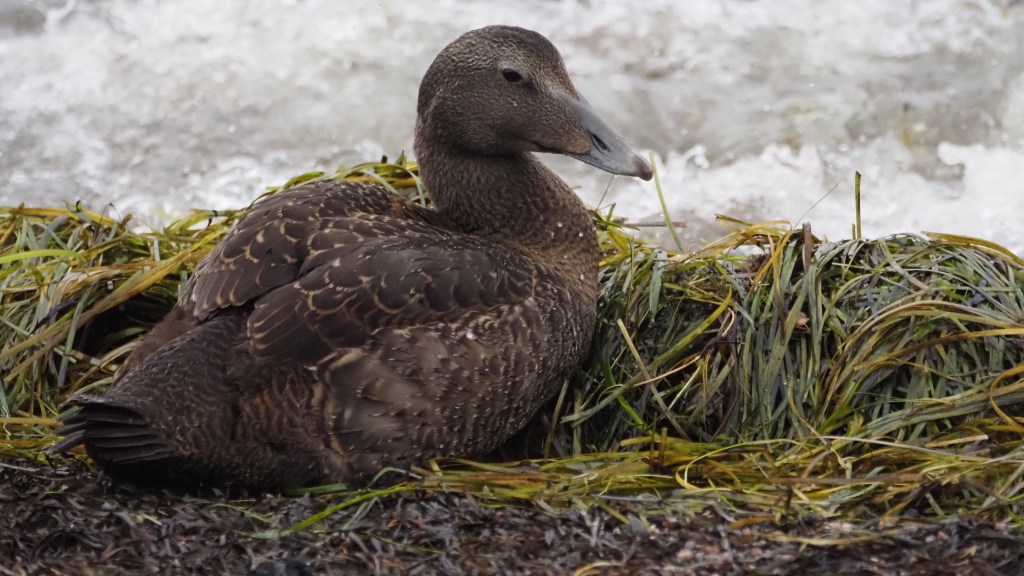
Human alteration of predator-prey relationships is a global driver of biodiversity loss. Nevertheless, genetic responses to predator exposure remain virtually unexplored. The Baltic Sea common eider (Somateria mollissima) population is ideal for addressing this question, since it has recently undergone a predation regime shift due to the rapid human-facilitated recovery of the apex predator. We will analyse genetic data (so called single nucleotide polymorphisms (SNPs)) on female
common eiders from several subpopulations from the Baltic Sea using high-resolution double-digest restriction site-associated (ddRAD) sequencing and temporal DNA sampling. This allows us to explore how predation risk affects population structure, gene flow and source-sink dynamics. Importantly, we plan to use the data to develop a reduced SNPs set which will allow us to extend this study to a much larger sampling (especially more individuals per site) in the future.
Funding

Collaboration Partners



Worked on by
Students
coming soon
Outreach
coming soon
Publications
in progress
Completed Theses
in progress
