
From analyzing snake DNA to rowing through an unexpected storm, my time in Finland was both a scientific and personal adventure. This blog post shares my experience at the University of Oulu, where I, Stella Langthaler, worked on wildlife genomics and gained my first proper insights into research life. Alongside long lab days and bioinformatics challenges, it was the people, the nature, and moments of adventure that made this journey unforgettable.
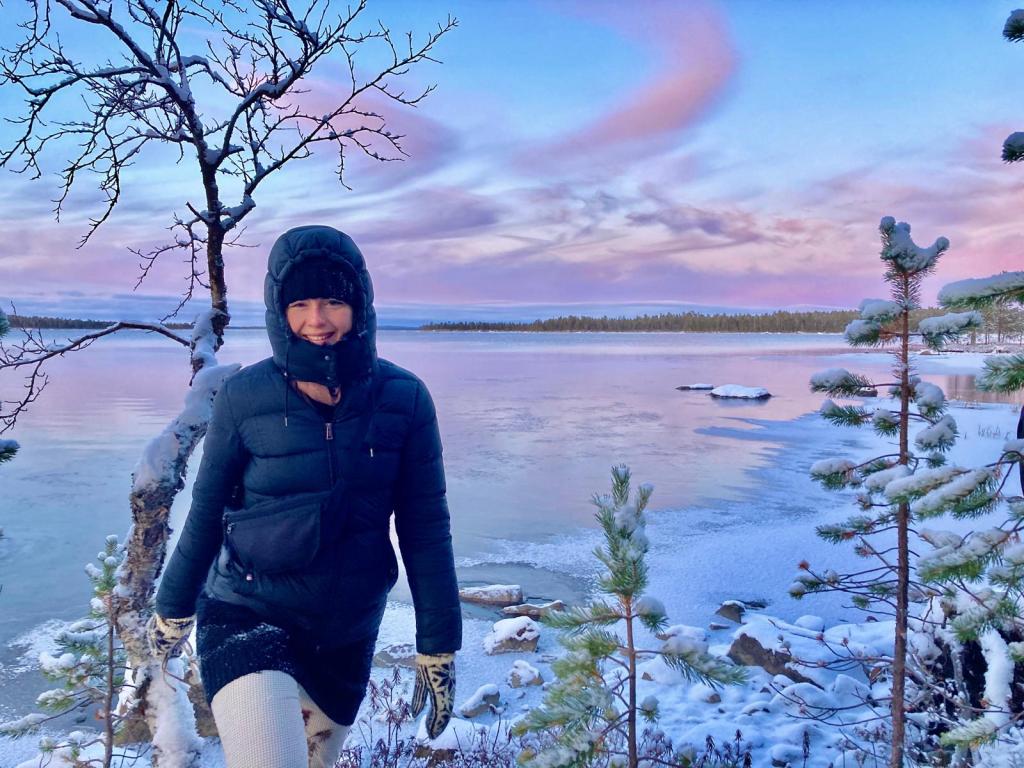
I have always been fascinated by wildlife crime and wildlife genomics, and I knew early on that this was the field I wanted to focus on for my master’s thesis.
During a lecture on this topic at the Natural History Museum in Vienna, I met Silke Schneider, whom I, after an interesting lecture on Herpetology and Wildlife Crime, immediately reached out to about possible thesis opportunities. She recommended Stefan Prost, and we quickly set up a meeting to discuss a potential project. That meeting marked the beginning of my journey – and how I decided that Finland would be the place for my thesis.
At that time, I did not know much about the country or what to expect. I tried to approach the experience with an open mind and without too many expectations. Still, I could not have prepared myself for how much I would love my time in Finland.
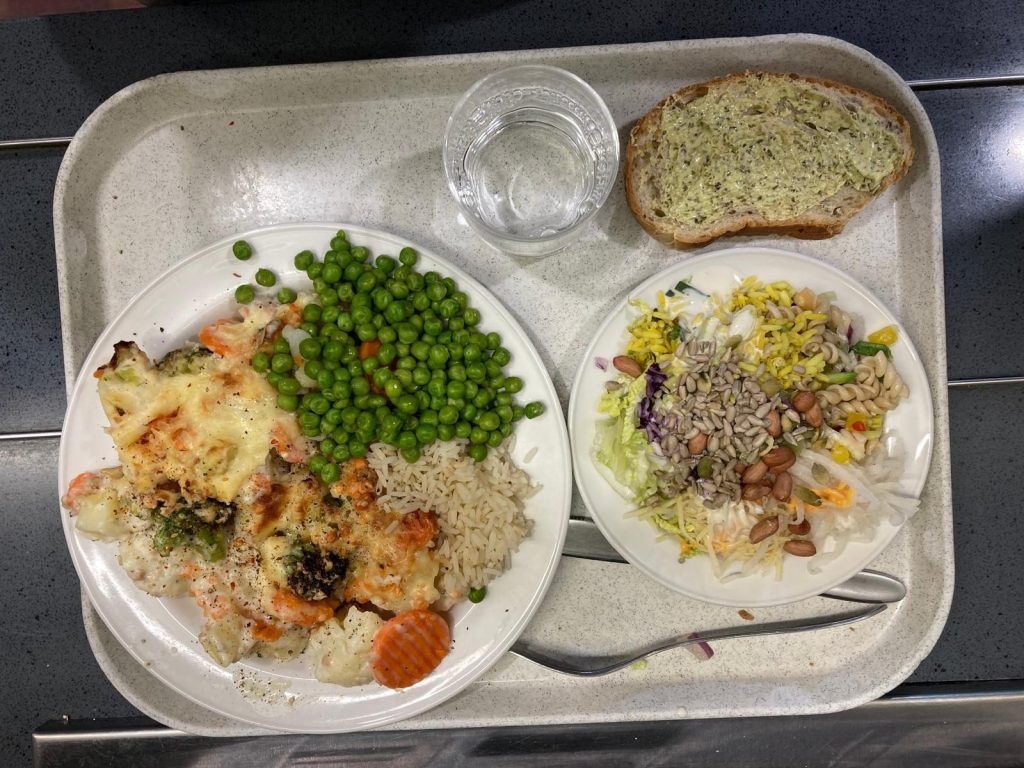
Every morning I woke up excited for the day ahead. I loved biking to work (thanks to Stefan for lending me his bike), meeting the research group, learning more about the field, and working with my samples. Our chatty lunches together quickly became a daily highlight. Every evening I went kickboxing at Kickboxing Team Oulu, which was the perfect way to end the day.
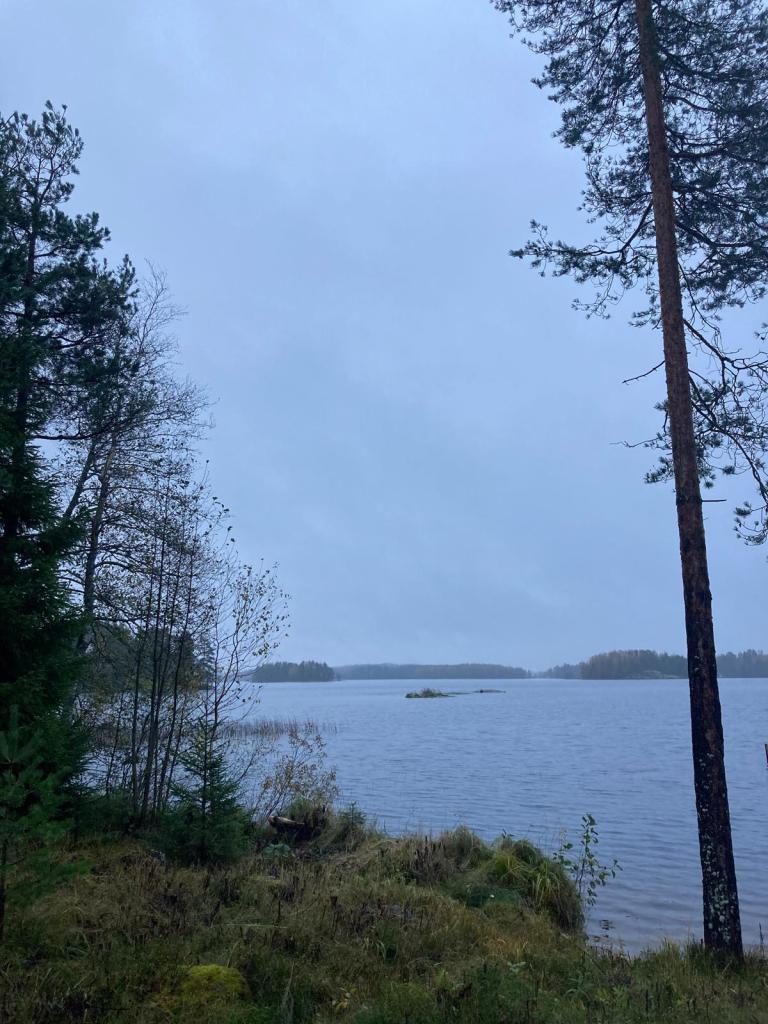
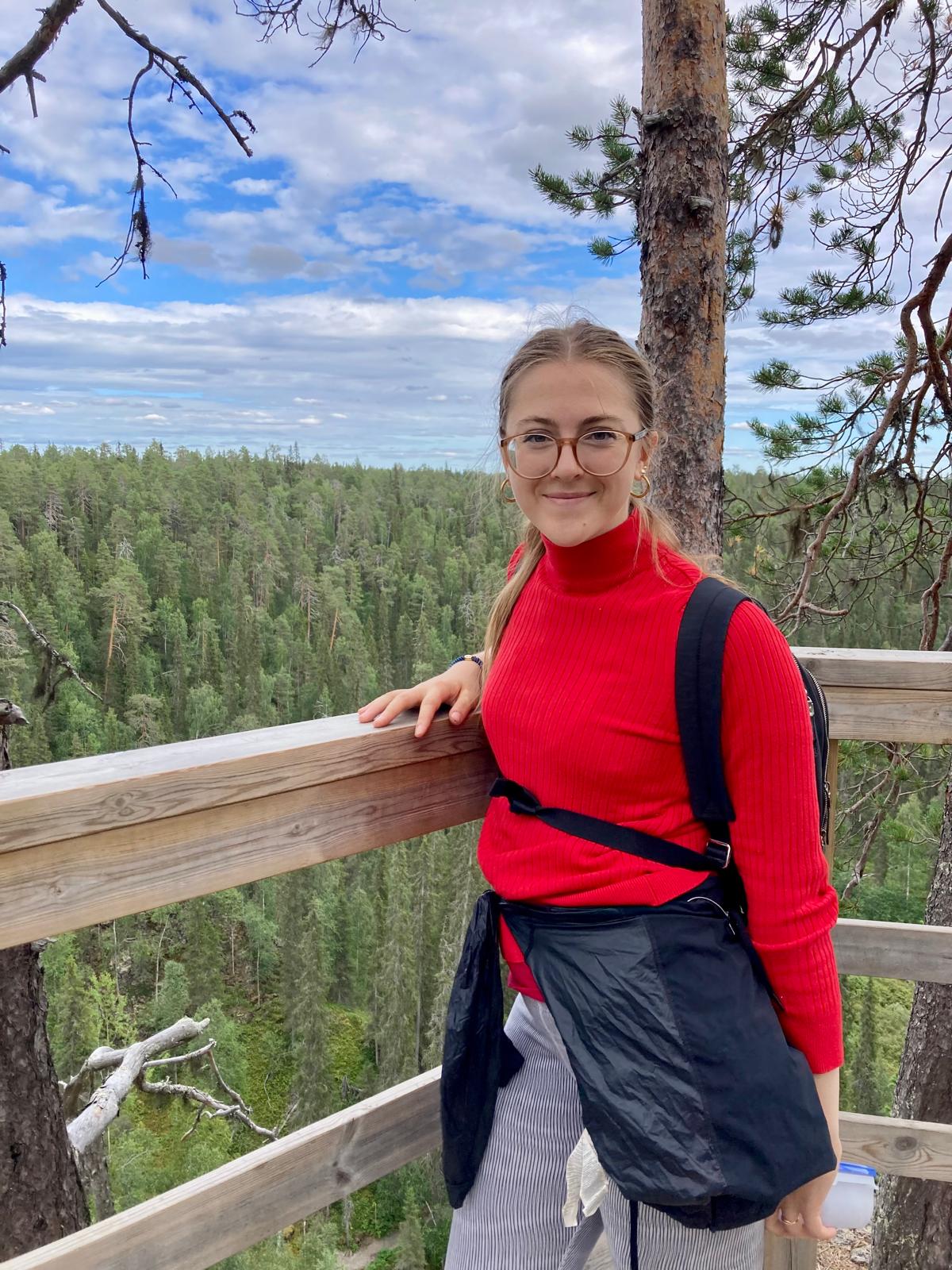
Weekends were filled with cabin trips, hikes through the forest, and birdwatching. I also quickly learned that cabin trips in Finland can hold more adventure than one might expect.
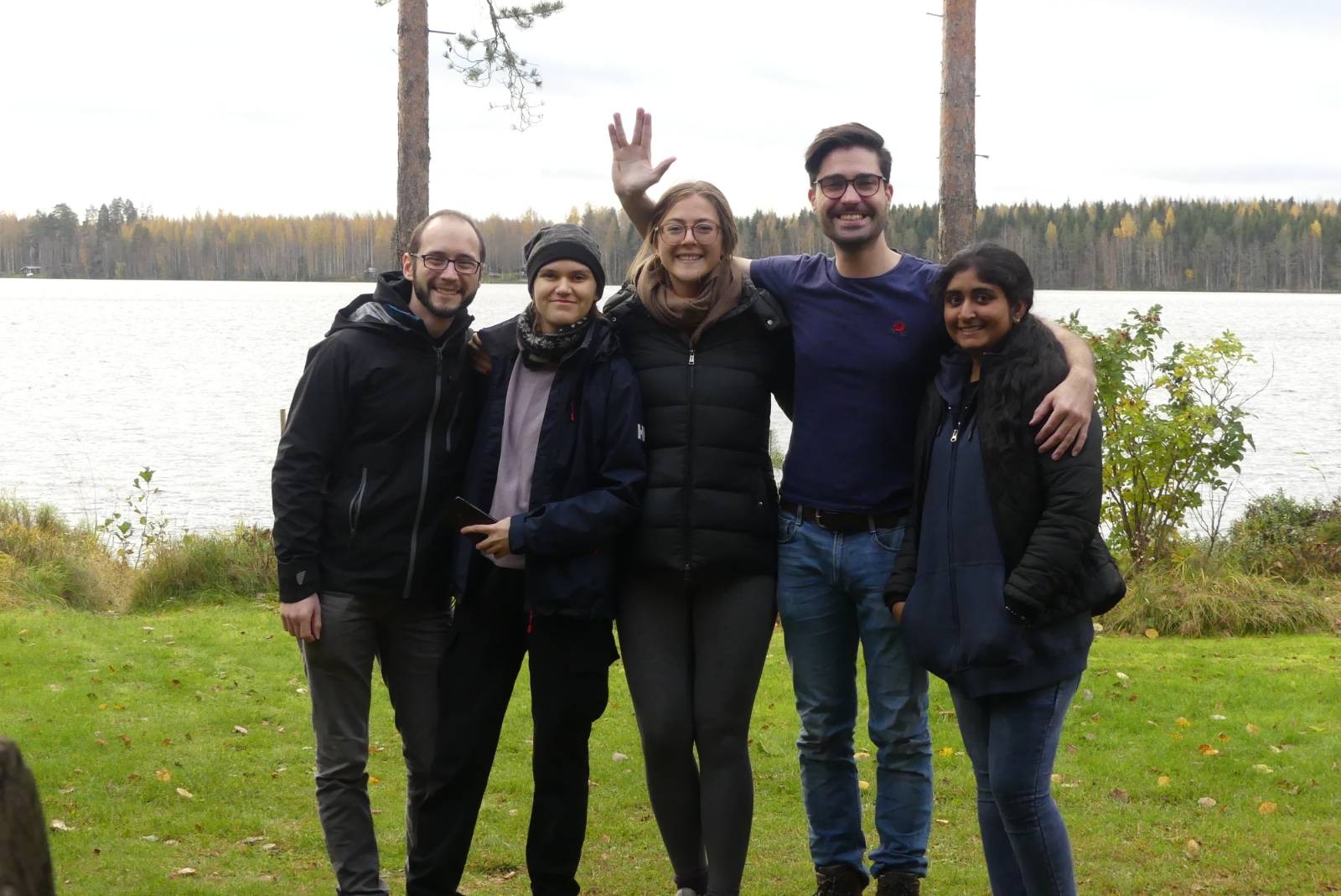
One day, we decided to take two rowing boats to a small island about one to two kilometers from the shore near our cabin. The lake was calm when we set out, and the five of us enjoyed the peaceful ride and exploring the island.
When we started heading back in the evening, however, the weather suddenly changed. The lake turned rough, the waves grew higher, and a storm began to roll in. As the night rolled in, staying on the tiny remote island was not an option, so we had to make our way back.
I rowed one boat while a friend rowed the other. The wind was incredibly strong, and with every stroke the storm seemed to push us further off course. I tried to row faster and stronger to reach the shore, my muscles started to ache as the waves kept dragging us back.
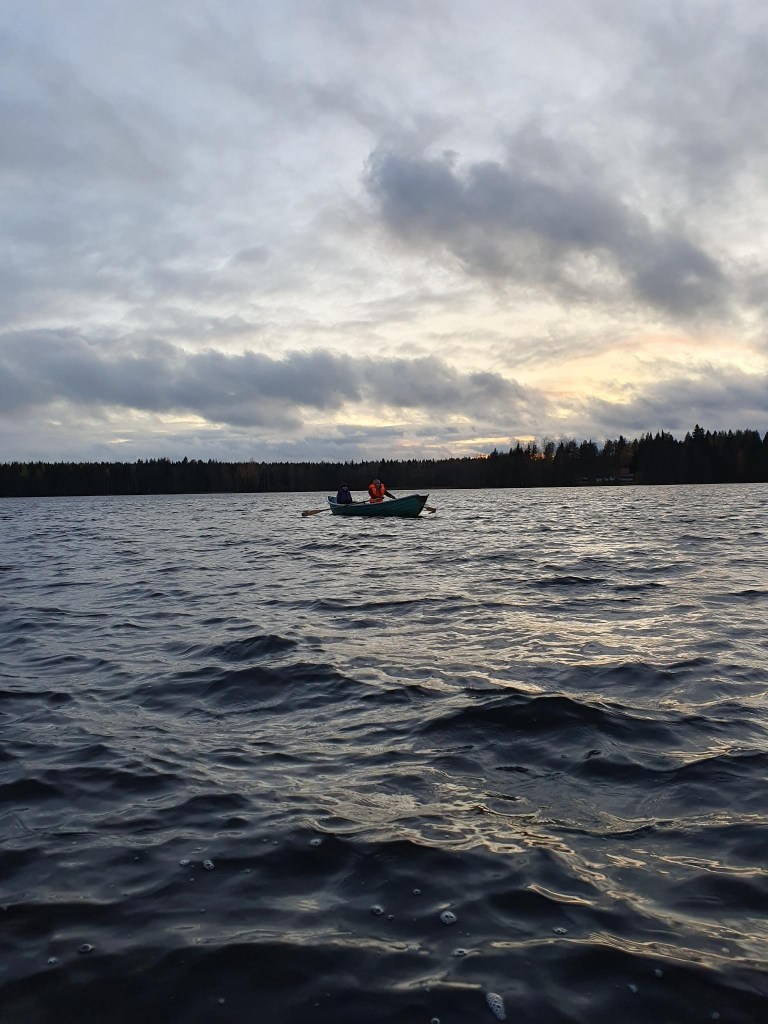
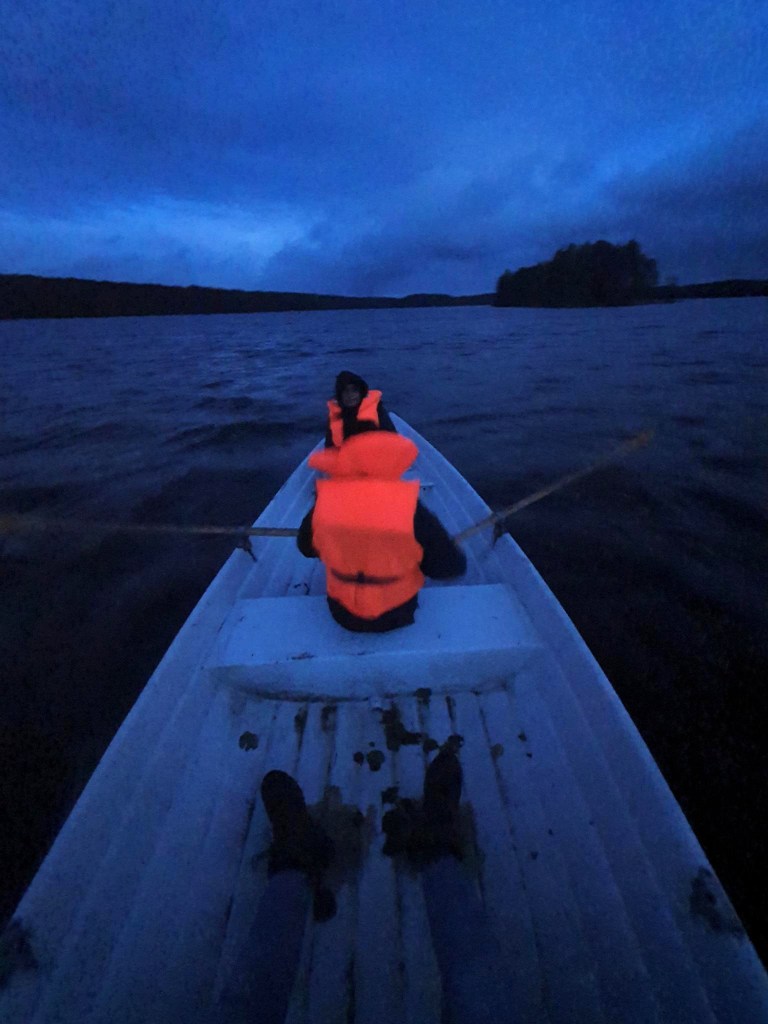
After what felt like an eternity, we finally reached the shore – exhausted but relieved. However, the other boat was nowhere to be seen. We grew worried and started searching along the shoreline. Eventually, we spotted them approaching from a completely different direction: the storm had pushed them far off their path.
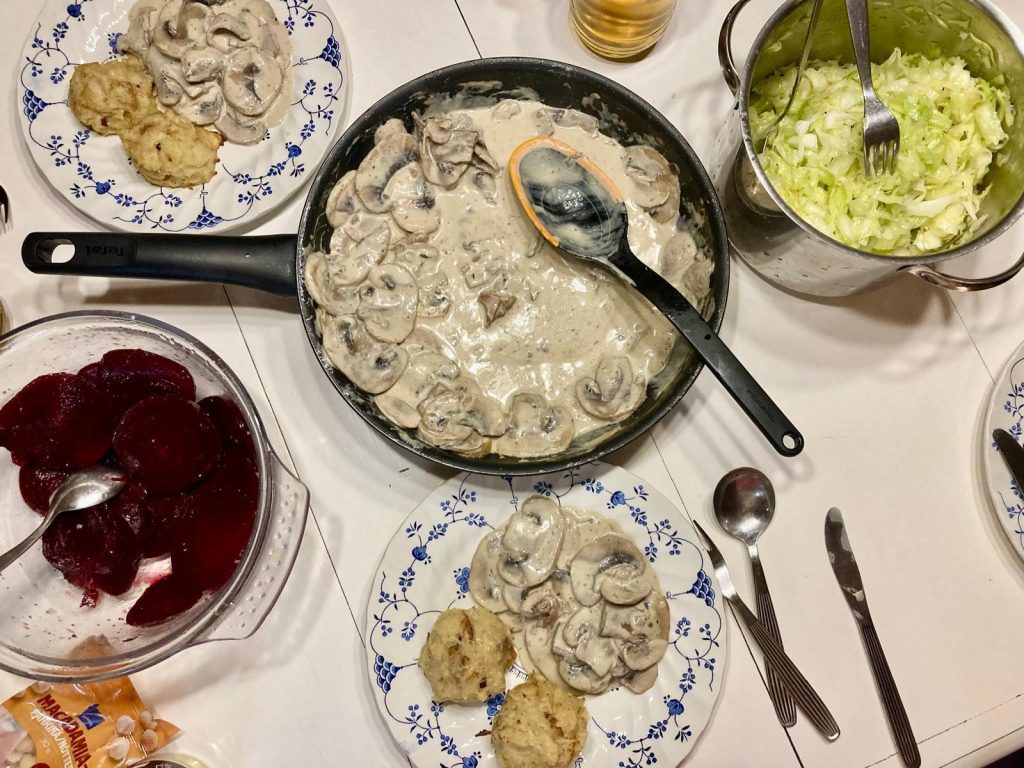
I do not think we had ever been so happy to sit down together in a warm cabin for dinner – all five of us safe and dry after our unexpected adventure.
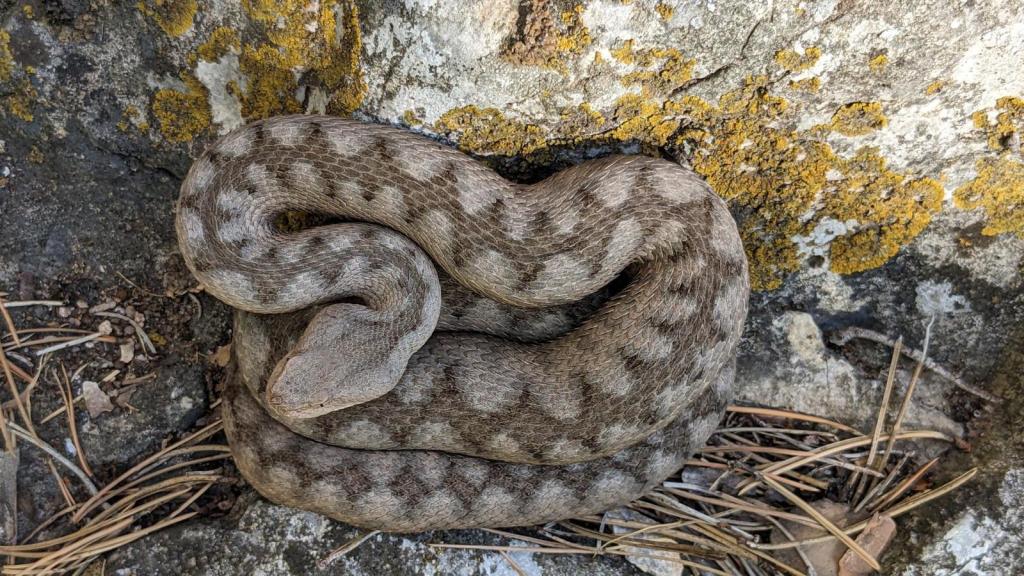
But back to business: My thesis focused on the use of DNA analysis to investigate the origins of a recently discovered population of nose-horned vipers (Vipera ammodytes) in Lower Austria. Genetic evidence suggested that the population likely originated from illegally released captive individuals from different geographic regions. The study highlights how genetic tools can help uncover wildlife trafficking and support conservation efforts.
When I arrived in Oulu, I did not yet have much laboratory experience. However, with the help of Gerrit, Angelika, Netta, and Martin, I quickly found my way around the lab. Tasks that initially felt intimidating soon became enjoyable parts of my daily work. By the end of my stay in Finland, I had completed my laboratory work and was ready, at least in that sense, to return to Austria.

Back home, I began the bioinformatic analysis of my data. I must admit that my introductory bioinformatics courses had not fully prepared me for the challenges ahead. There were many sleepless nights spent trying to figure things out – sometimes successfully, sometimes not. But with a lot of patience, advice, and support from Stefan, I eventually managed to produce a dataset that I am proud of.
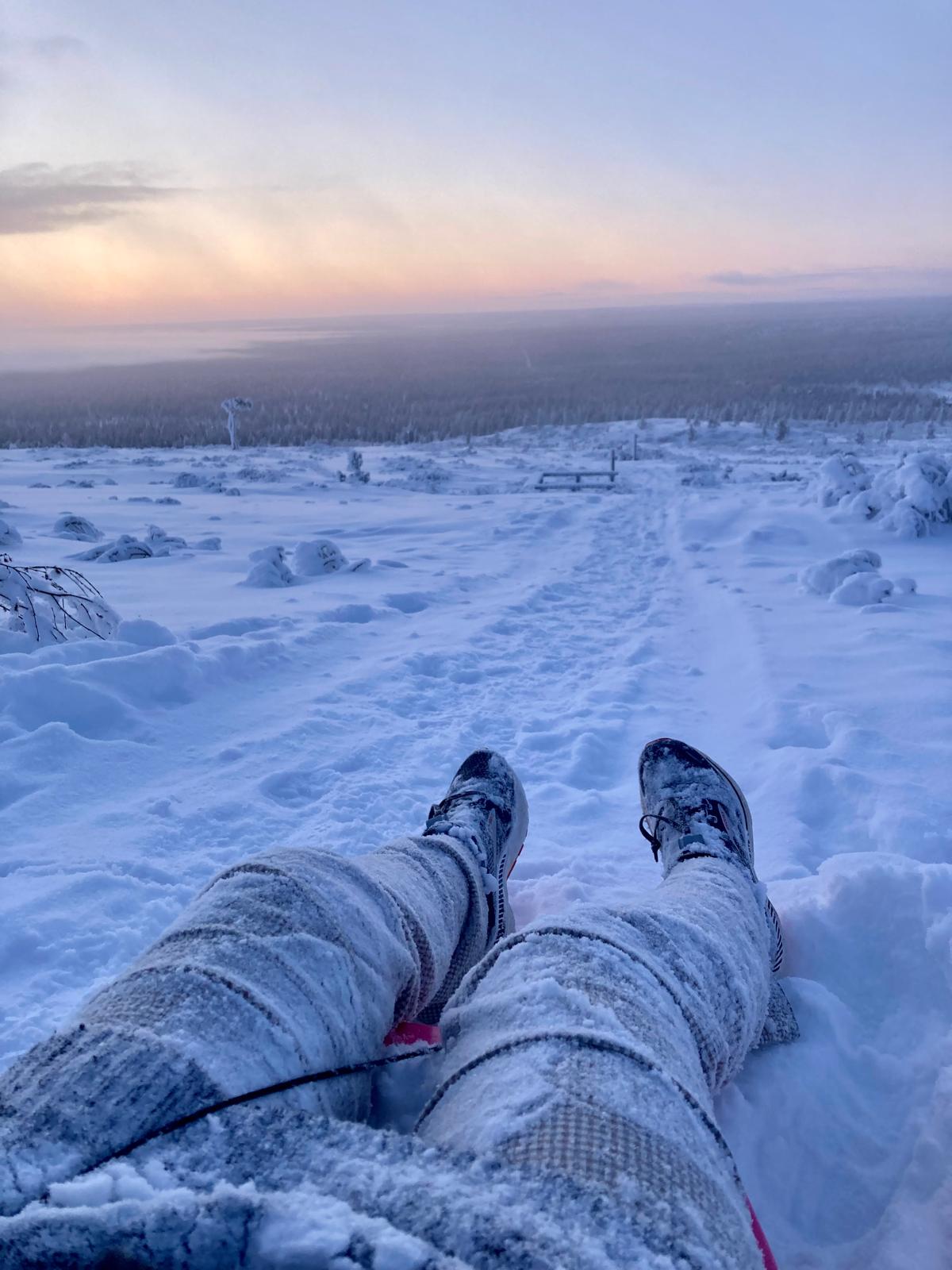
Before coming to Finland, I had been slightly worried that the cold and darkness might be difficult to handle. In reality, however, the warmth and openness of the people – especially my research group and my kickboxing friends – ensured that I never felt cold at all. Looking back, I truly had a fantastic time, and I am incredibly grateful that I took the opportunity to join Stefan’s team when I could.
Finally, I would like to say a big thank you to Stefan, Gerrit, Angelika, Martin, Netta, Silke, Frank and everyone else who was a part of my journey. They made this project possible and helped turn my time in Finland into an experience that will always have a special place in my heart.
Alumni author
Blog category

Leave a comment